


Anti-Aging
Anti-aging research compounds compared by mechanism - GH secretagogues, NAD+, epitalon, SS-31 and MOTS-c, with protocol guidance.
33 products.
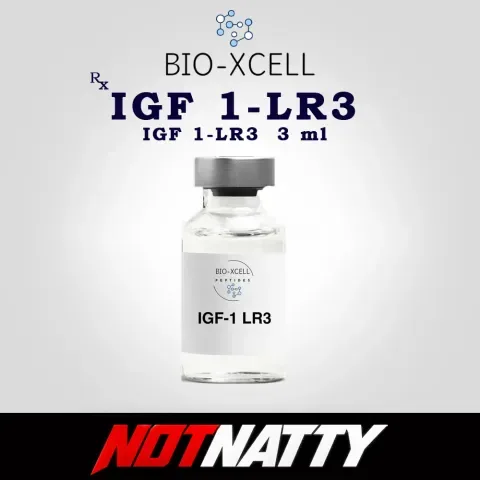
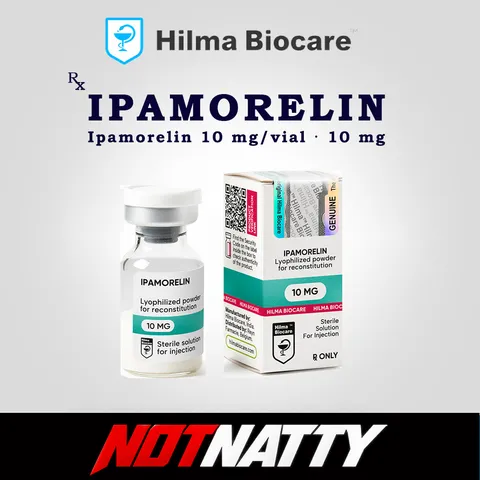
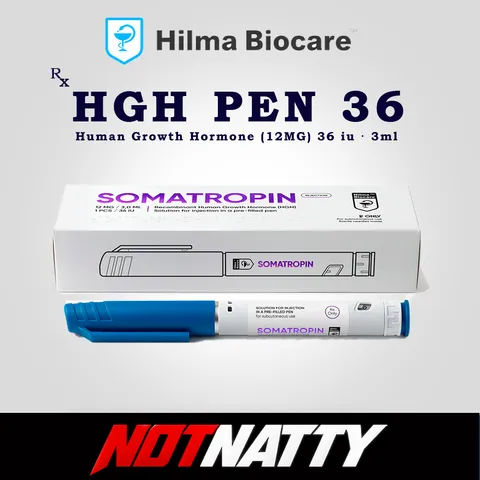
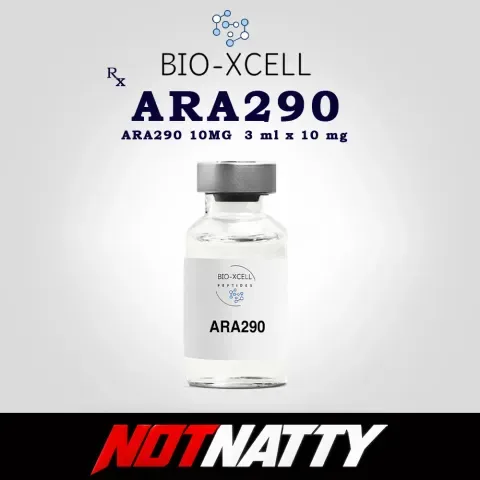
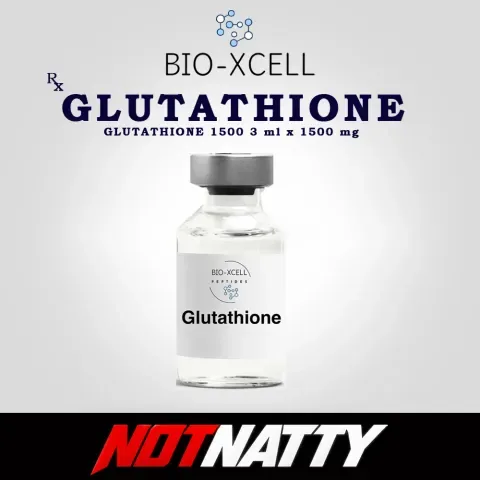
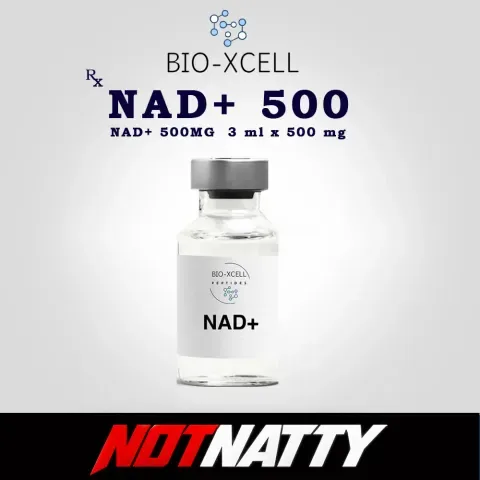
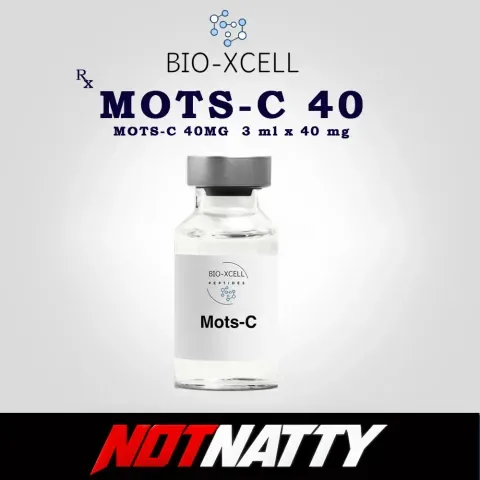
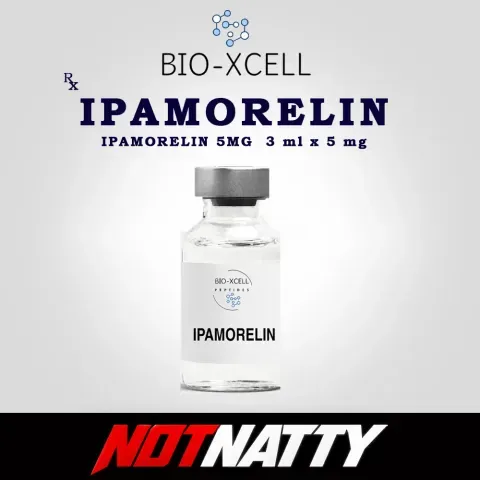
Anti-Aging Research: What the Compounds Actually Target
The biology of ageing is not one process, which is why no single compound addresses it. Growth hormone output falls, cellular energy metabolism slows, mitochondrial membranes lose efficiency, and senescent cells accumulate. The anti-aging category groups compounds that act on different parts of that picture, and the useful question is which mechanism a given compound actually touches.
Growth Hormone and Recovery
After roughly thirty-five, pituitary GH output declines by an estimated ten percent per decade. Sleep architecture becomes shallower, recovery stretches, and tissue that once healed in days takes weeks.
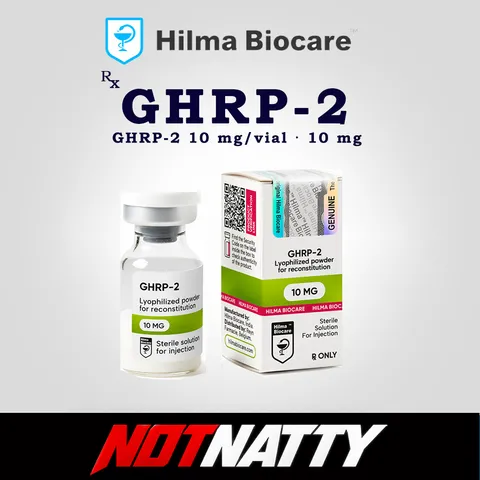
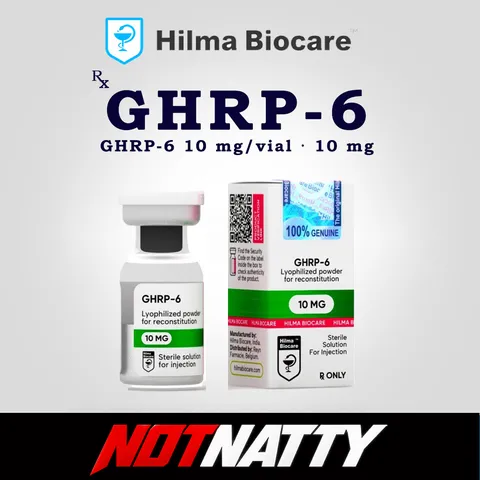
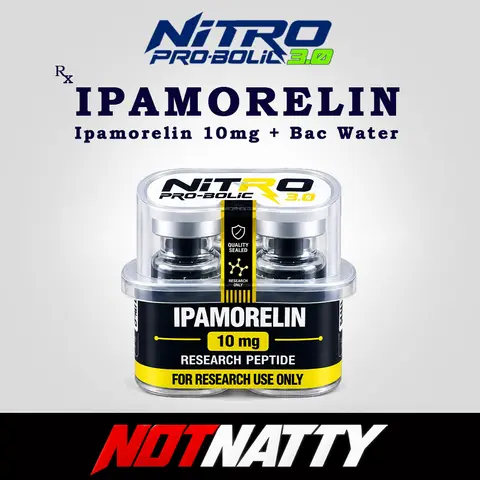
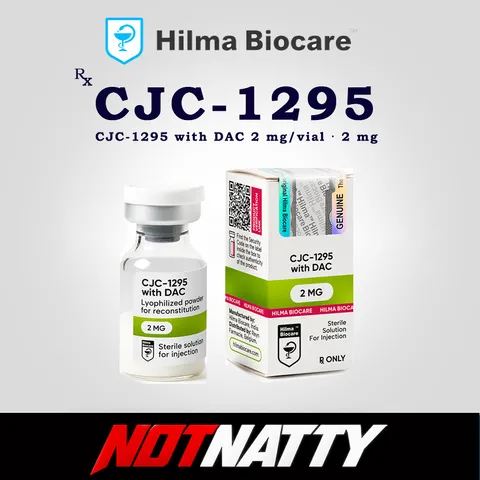
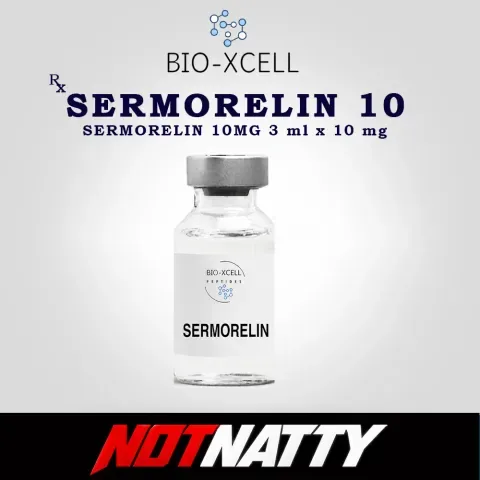
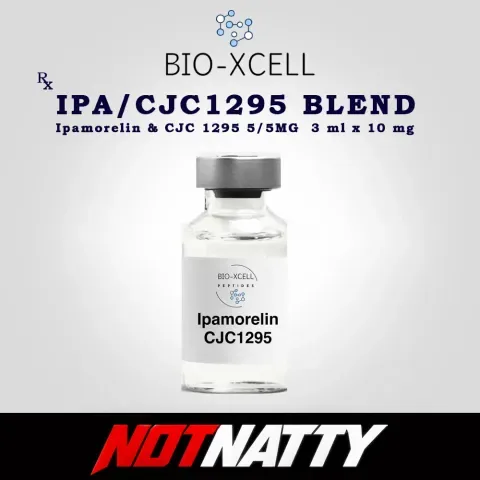
GH secretagogues - ipamorelin, CJC-1295, GHRP-2 and GHRP-6, and the oral MK-677 - address that decline by prompting the pituitary to release its own hormone. Ipamorelin is the most selective of the group, producing a clean pulse without meaningful cortisol or prolactin elevation.
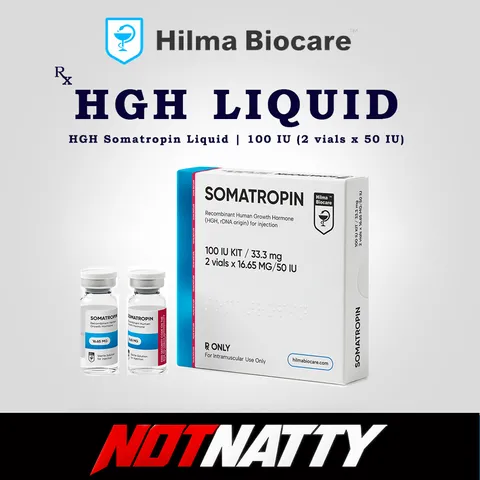
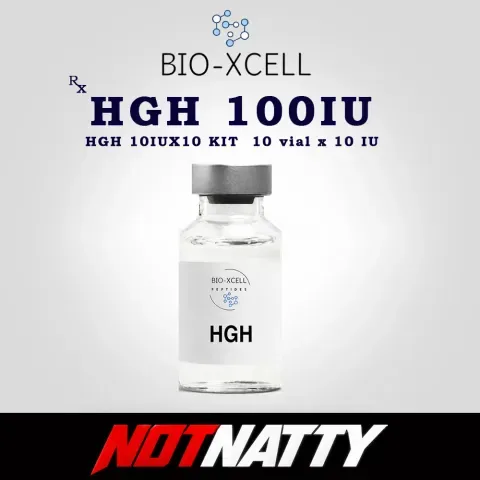
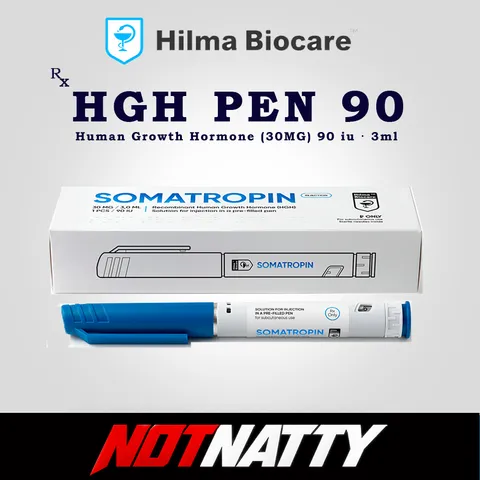
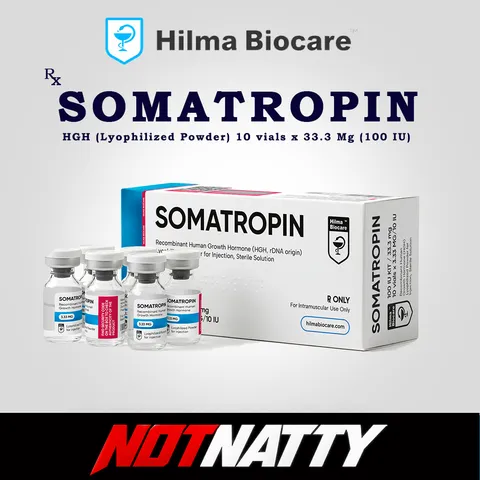
Direct somatropin remains the strongest tool, but it is also the most expensive and the most demanding on insulin sensitivity. Most research protocols start with secretagogues and only move to direct GH when bloodwork justifies it.
Mitochondrial and Cellular Compounds
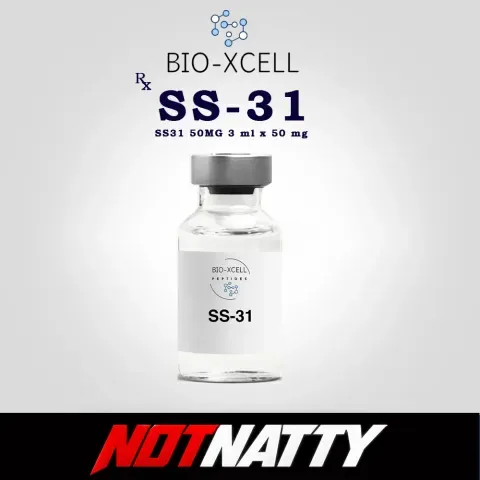
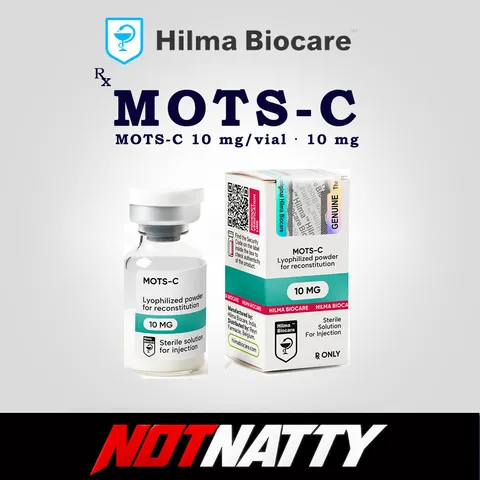
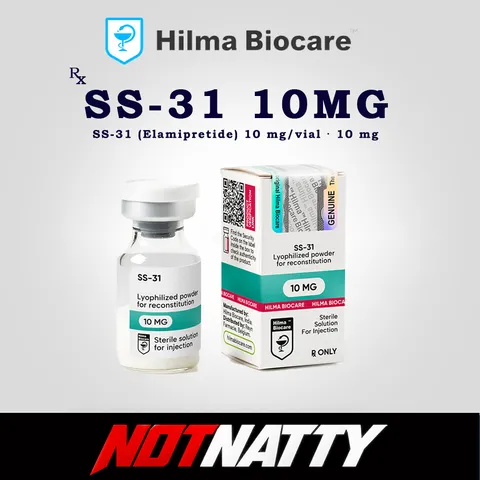
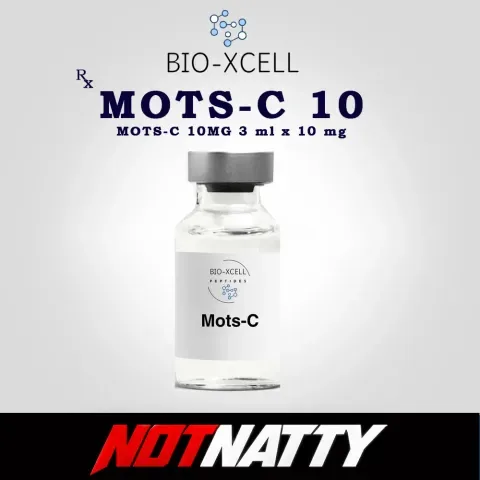
SS-31 (elamipretide) is a tetrapeptide that associates with cardiolipin on the inner mitochondrial membrane, where it is studied for mitochondrial function and oxidative stress. MOTS-c is a mitochondrial-derived peptide studied for metabolic regulation.
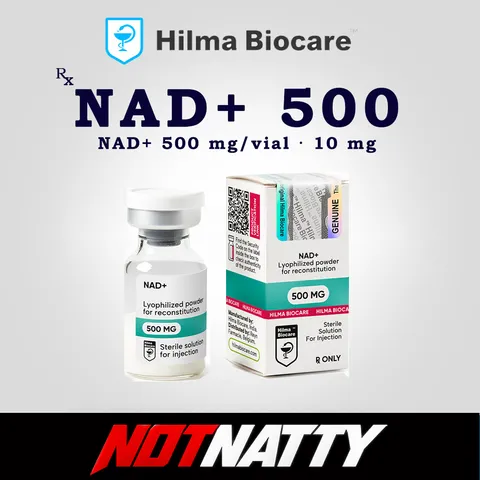
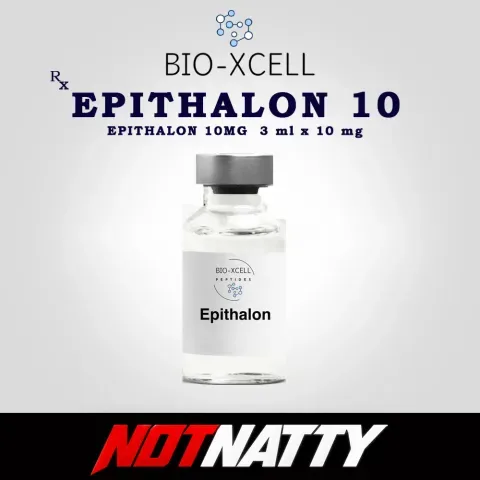
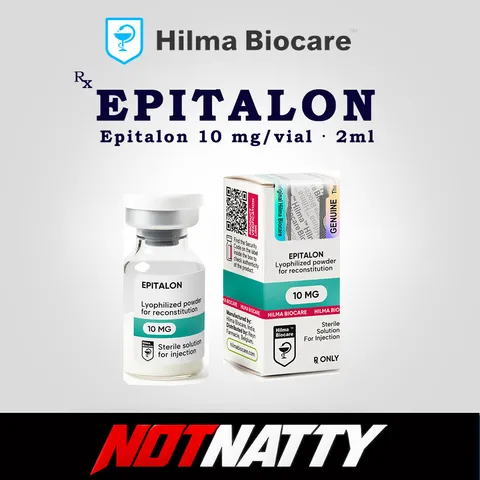
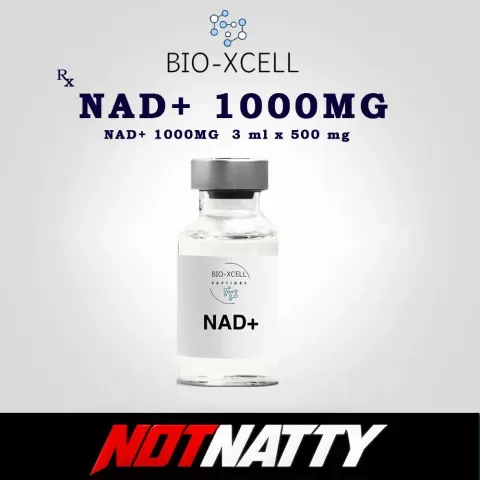
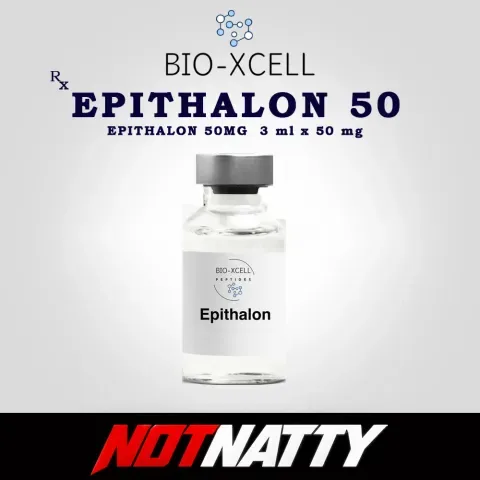
NAD+ is a coenzyme central to cellular energy metabolism and to sirtuin activity. Levels decline with age, and NAD+ precursors are studied for their effect on that decline. Epitalon is a short peptide studied for telomerase activity and circadian regulation, with a much thinner human evidence base than the marketing suggests.
What the Evidence Supports
The strongest evidence in this category is for growth hormone and body composition, followed by NAD+ and mitochondrial function. The weakest is for anything claiming to extend lifespan; almost no human data supports that claim for any compound here.
A more defensible framing is tissue quality: sleep depth, recovery speed, skin and connective tissue, and markers of metabolic health. Those are measurable within a research window.
Realistic Timelines
Sleep and recovery often move within two to three weeks. Body composition and skin changes take around three months of consistent use. Mitochondrial and NAD+ protocols are usually studied over similar or longer periods.
Anyone promising visible anti-aging effects inside a week is selling something other than pharmacology.
Storage and Comparison
Most compounds here are peptides and require refrigeration once reconstituted; NAD+ and similar molecules have their own stability requirements, stated on each label. Listings show vial size, strength and live stock. Open any product page for the full specification and buying details.
Buying Anti-Aging Online
Compare anti-aging research compounds - ipamorelin, GH secretagogues, NAD+, epitalon and SS-31 - by mechanism, evidence and protocol length.