


Retatrutide
Triple GLP-1/GIP/glucagon agonist studied for weight loss - Phase 2 data, titration, reconstitution and storage in one place.
10 products.
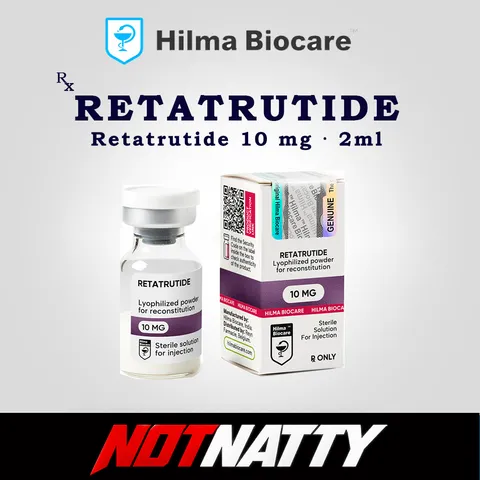
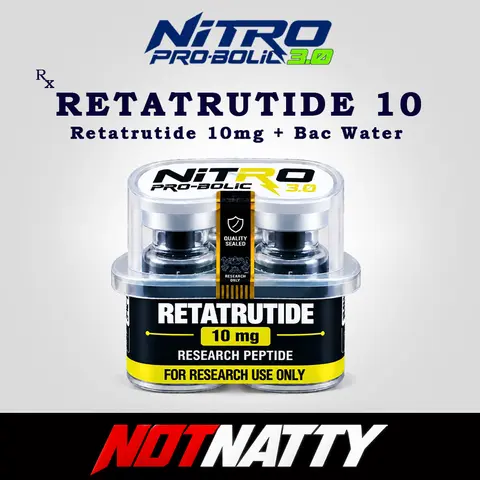
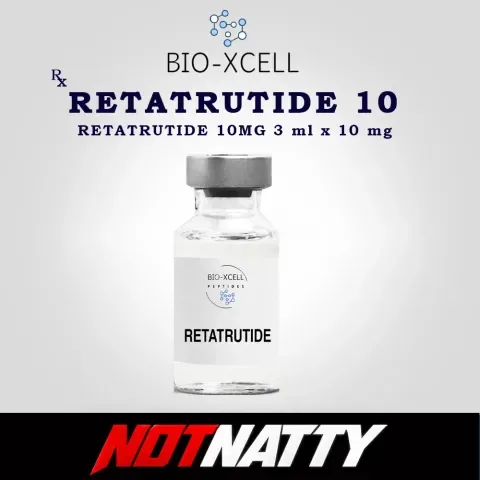
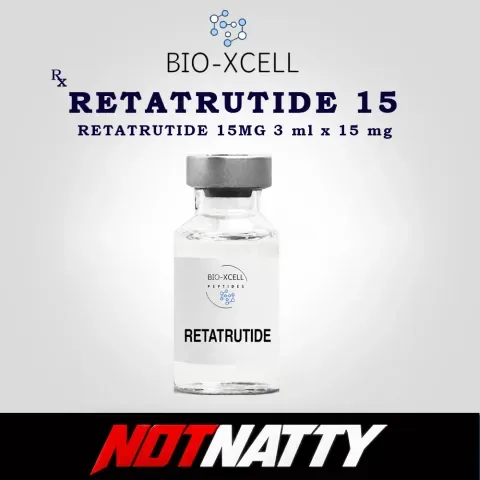
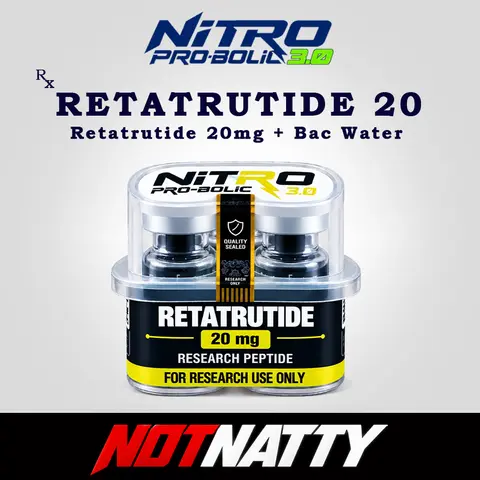
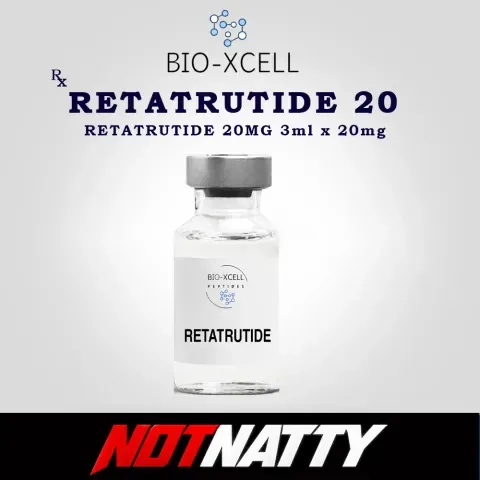
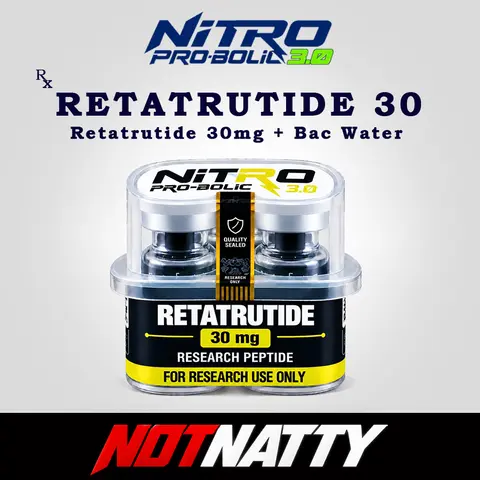
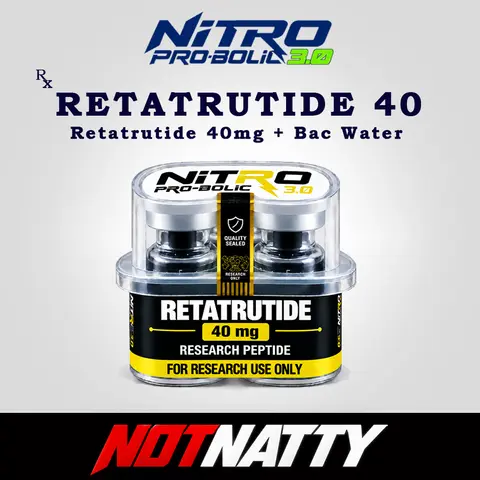
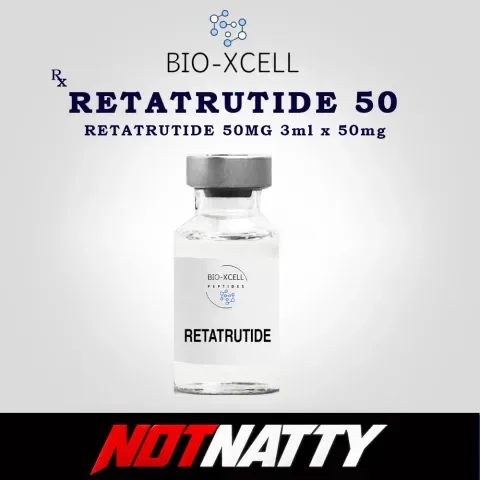
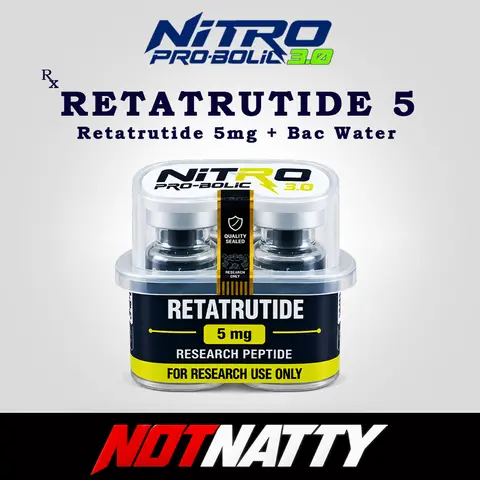
Retatrutide: The Triple Agonist Explained
Retatrutide is a single peptide that acts on three receptors at once: GLP-1, GIP and glucagon. That third receptor is what separates it from semaglutide and tirzepatide. GLP-1 and GIP mainly reduce food intake; glucagon receptor activation adds a direct effect on energy expenditure and hepatic fat oxidation, which is why the weight-loss data has outpaced earlier incretins.
What the Mechanism Actually Does
GLP-1 slows gastric emptying and signals satiety through the hypothalamus. GIP adds a second incretin pathway and appears to improve how the body handles the reduced intake. Glucagon raises energy expenditure and drives lipolysis, but on its own it would also raise blood glucose.
The design of retatrutide balances those effects. The glucagon component is tuned so that the increase in energy use does not overwhelm the glucose-lowering effect of the incretins. That balance is the core of the molecule's clinical profile.
What the Phase 2 Data Showed
The most cited retatrutide trial was a 48-week Phase 2 study in adults with obesity. Across dose groups, mean weight reduction ranged from roughly 8.7 percent at the lowest dose to about 24.2 percent at the highest, against placebo.
A nested substudy in participants with fatty liver disease reported substantial reductions in liver fat. A separate 36-week cohort in type 2 diabetes showed weight loss alongside improvements in HbA1c.
Gastrointestinal effects - nausea, vomiting and diarrhoea - were the most common adverse events and were mostly transient, but they were also the main reason for discontinuation at higher doses.
Titration Is the Whole Game
The single biggest determinant of tolerability is how the dose is escalated. Starting at a therapeutic dose is the fastest way to make the compound unusable. Standard practice is to begin well below the target and hold each step for several weeks before increasing.
That is not a formality. Gastric emptying adapts over time, and the nausea that appears on day one often resolves by week three at the same dose. Escalating before adaptation is complete recreates the first-week experience repeatedly.
Reconstitution and Storage
Retatrutide ships lyophilised. Reconstitute with bacteriostatic water, running it down the vial wall, then swirl gently. Do not shake. Store the reconstituted solution at 2-8°C, protected from light, and use it within the period stated on the label.
Because these vials are used over weeks, keep the rubber stopper clean and swab it before every draw. A contaminated vial undoes the precision of the whole protocol.
Research Context and Limits
Retatrutide is investigational. It is not approved for any indication, and the long-term safety data that would accompany an approved medicine does not yet exist. The Phase 3 programme is ongoing.
Anyone reading the weight-loss figures should also read the discontinuation rates, the lean-mass changes and the gastrointestinal burden. Those numbers describe the compound as honestly as the headline percentage does.
What This Page Offers
Listings state vial size, purity documentation and live stock. The product page carries the full specification, while this page covers mechanism, data and handling so the compound can be evaluated in context.
Buying Retatrutide Online
Retatrutide research overview: triple GLP-1/GIP/glucagon agonism, Phase 2 weight-loss data, titration schedule, reconstitution and storage.