


Healing
Healing peptides for tendon, joint, gut and soft-tissue repair - BPC-157, TB-500 and the Wolverine blend, with vial sizes and protocols.
16 products.

Healing Peptides: Local Repair vs Systemic Recovery
Healing peptides exist because the honest problem with hard training is that damage accumulates faster than the body repairs it. Tendons adapt more slowly than muscle, joints record every repetition, and connective tissue has a limited blood supply compared with the muscles it connects. The peptides in this category are studied for their effect on that repair process, not for building size.
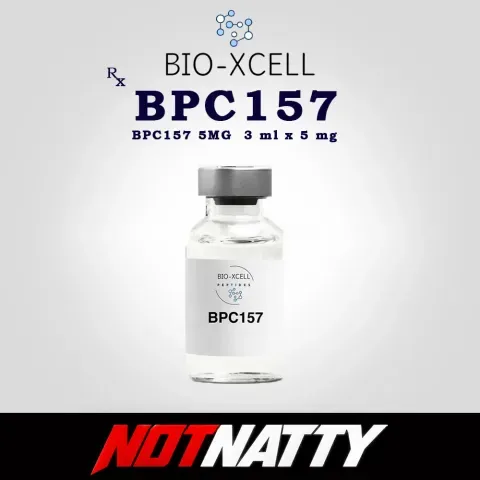
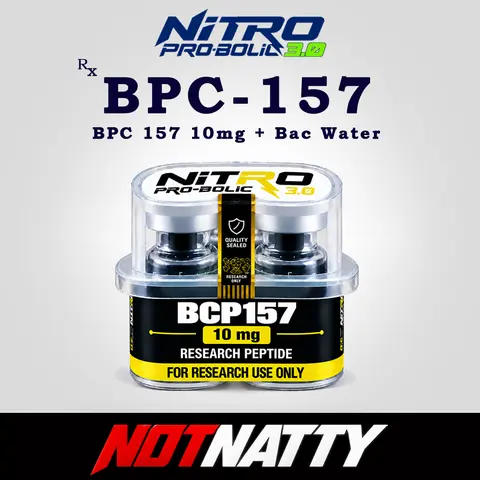
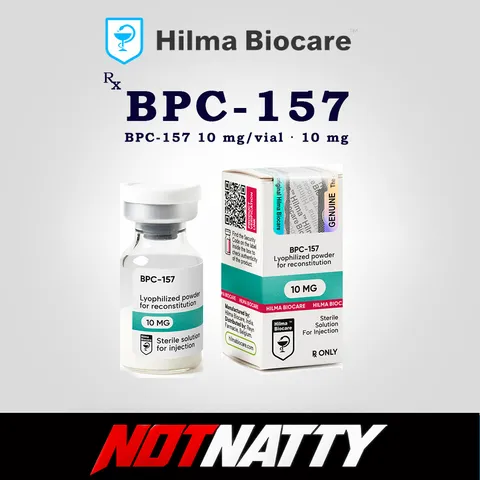
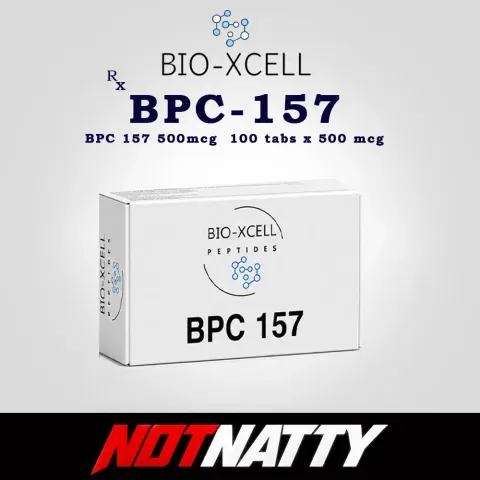
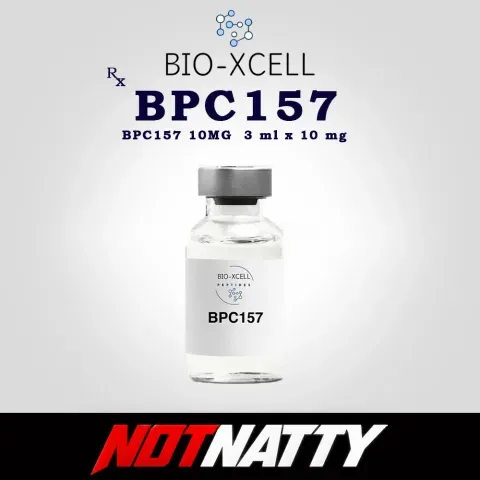
BPC-157
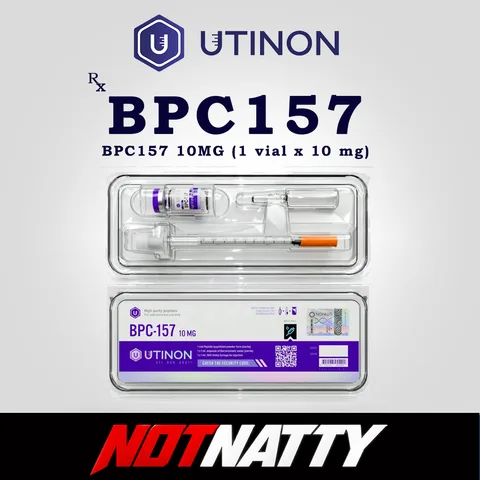
BPC-157 is a synthetic pentadecapeptide derived from a protein found in gastric juice. It is the local specialist of the group: research has focused on tendon and ligament healing, gut lining integrity and angiogenesis, the formation of new blood vessels that repair tissue needs.
In practice that means two distinct uses in the literature. For structural injuries, the peptide is studied locally, near the affected tendon or joint. For gastric complaints, it is studied orally, because the gut is where the parent protein was originally identified.
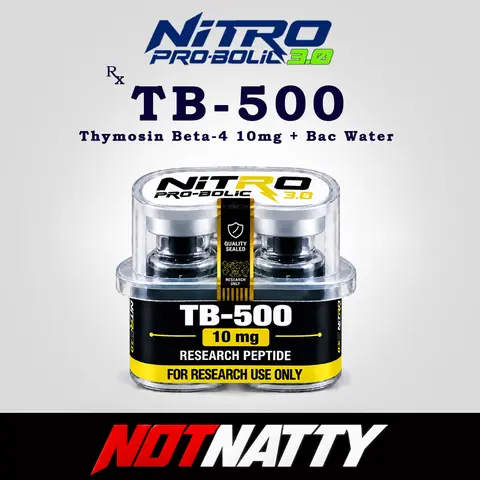
TB-500
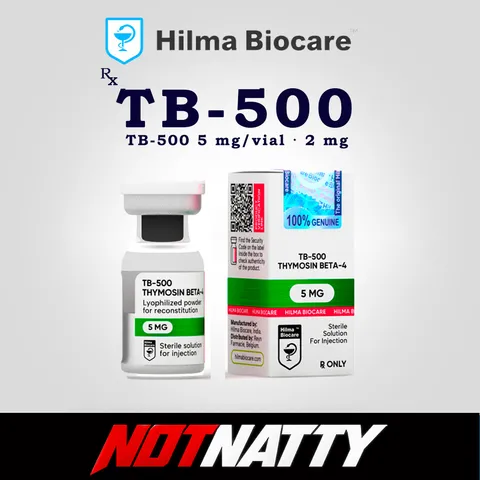
TB-500 is a fragment of thymosin beta-4, a protein involved in actin regulation and cell migration. Where BPC-157 is local, TB-500 is systemic: it is studied for widespread wear, general inflammation and recovery after surgery or injury.
Actin regulation matters because cell movement is central to healing. Cells have to migrate to the injury site before they can rebuild anything, and thymosin beta-4 is part of how that migration is organised.
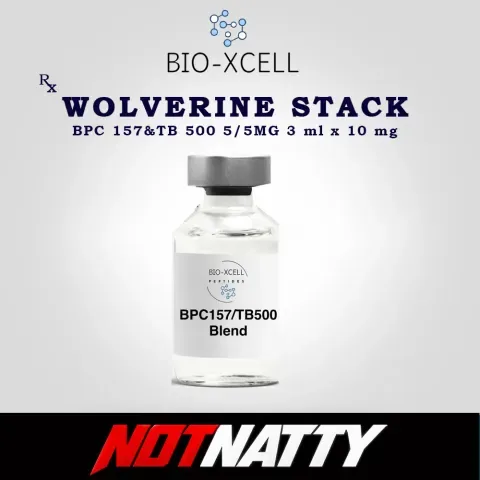
The Wolverine Blend
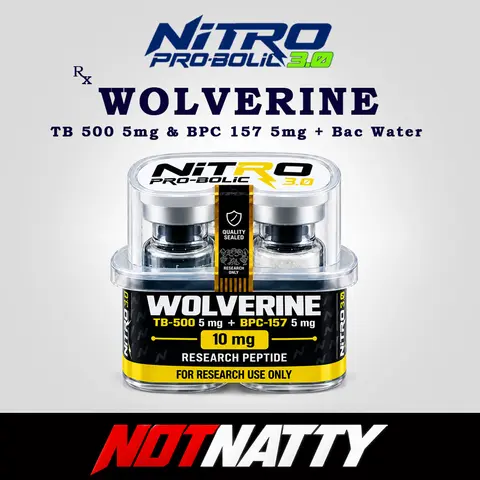
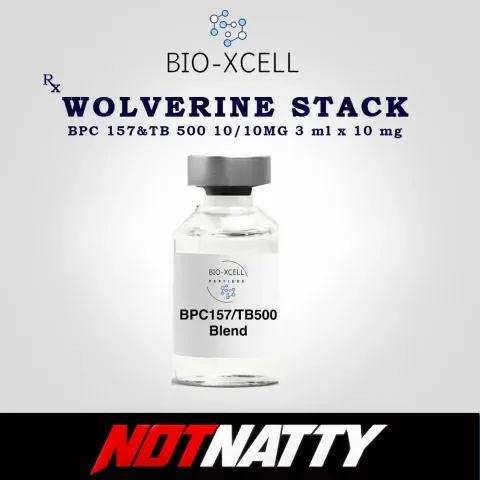
The Wolverine blend combines BPC-157 and TB-500 in a single vial. The logic is straightforward: local repair and systemic recovery in one protocol, without drawing from two vials.
The trade-off is adjustability. A blend fixes the ratio, so you cannot increase one peptide without increasing the other. Researchers who want independent control usually run the two separately.
What These Peptides Do Not Do
They do not out-train a bad programme. A tendon irritated by the same movement every week will keep being irritated, and no peptide compensates for technique or load management. They also do not work instantly: the practical floor is around two weeks, and structural change takes longer.
They are not androgenic, so they do not suppress natural hormone production and do not require any recovery protocol. That is a large part of their appeal in off-season and general-recovery contexts.
Handling and Reconstitution
Most healing peptides ship lyophilised. Reconstitute with bacteriostatic water, running it slowly down the vial wall, then swirl rather than shake. Store the reconstituted solution at 2-8°C and use it within the window on the label.
Freeze-thaw cycles degrade peptides, so aliquot if a vial will last a long time. Label everything, and keep the workspace clean.
What to Compare Here
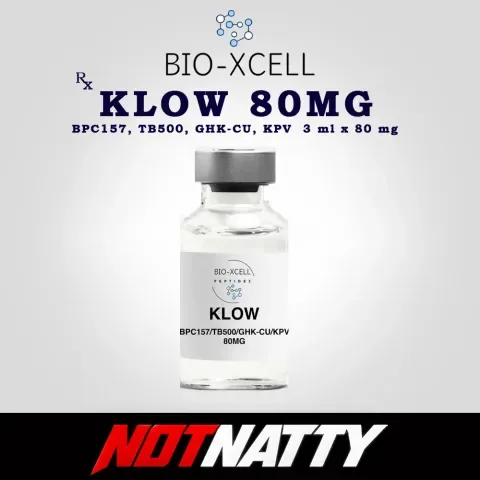
Listings show vial size, peptide content and live stock. Start with the location of the problem: local injury points to BPC-157, systemic wear to TB-500, and both together to the blend. Open any product page for the full specification and buying details.
Buying Healing Online
Compare healing peptides for tendon, joint, gut and soft-tissue repair - BPC-157, TB-500 and the Wolverine blend, with vial sizes and protocols.