


BPC-157
Pentadecapeptide studied for tendon, ligament and gut repair - mechanism, reconstitution, dosing and the limits of the evidence.
3 products.
BPC-157: The Repair Peptide, Examined
BPC-157 is a synthetic pentadecapeptide - fifteen amino acids - derived from a larger protein found in gastric juice. It is the most researched healing peptide in the fitness world, and also one of the most overclaimed. The honest position is that the preclinical literature is extensive and promising, while controlled human data remains thin.
Where It Came From
The peptide was isolated from human gastric juice, which explains its dual reputation. The stomach environment is where the parent protein was found, and the gut lining is one of the tissues it has been most studied in.
That origin also explains why oral administration is discussed at all. Most peptides are destroyed by digestion; BPC-157 has been studied orally specifically for gastric and intestinal endpoints.
What the Preclinical Work Suggests
Animal and in-vitro studies have reported accelerated healing of tendon, ligament and muscle injuries, increased angiogenesis and modulation of the nitric oxide system. The angiogenesis finding is central: new blood vessels are a prerequisite for repairing tissue with limited circulation, such as tendon.
Gut studies have reported protection of the intestinal lining in models of ulceration and inflammation. Those findings are the basis for the oral route's popularity.
What does not exist is a large randomised human trial confirming these effects in healthy athletes. The evidence is mechanistic and animal-based, which is worth knowing before treating it as established.
Local vs Oral Use
The two routes are studied for different problems. Local injection near a tendon or joint is the approach described in the injury literature. Oral administration is studied for gastric and intestinal endpoints.
Choosing between them should follow the location of the problem, not convenience. A shoulder tendon does not benefit from a capsule, and a gut complaint does not require an injection.
Reconstitution and Storage
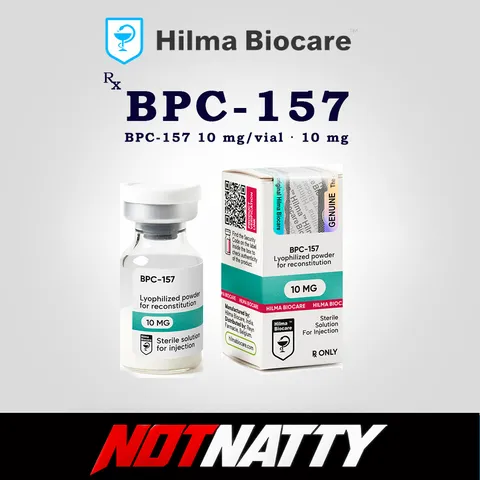
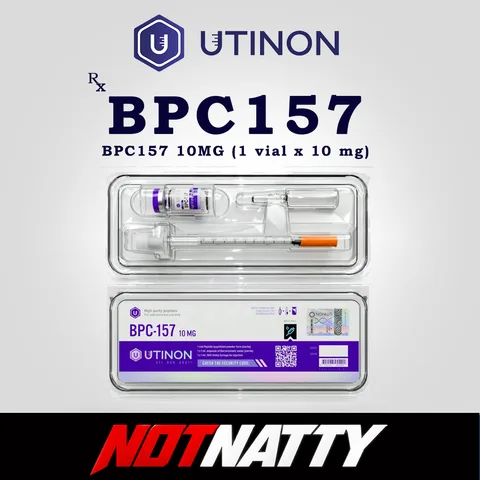
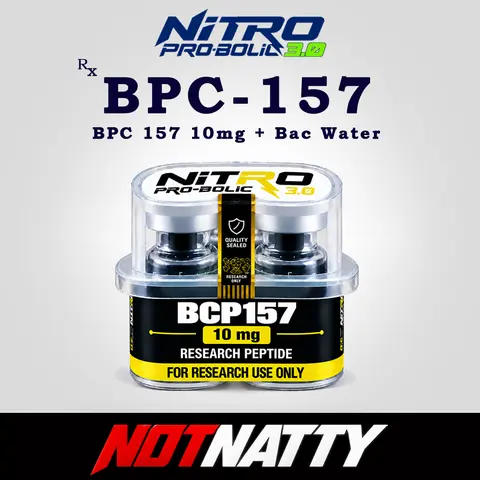
BPC-157 ships as a lyophilised powder, commonly in 5 mg or 10 mg vials. Reconstitute with bacteriostatic water, adding it slowly down the vial wall. Swirl gently; do not shake, because foaming and agitation can degrade the peptide.
Store the reconstituted solution at 2-8°C, protected from light, and use it within the label window. Lyophilised powder is stable at room temperature for days, so ordinary transit delays do not ruin a vial.
What It Will Not Do
BPC-157 does not out-train a bad programme. A tendon irritated by the same movement every session will keep being irritated regardless of peptide intake. Technique and load management decide whether repaired tissue stays repaired.
It is also not androgenic, so it does not suppress natural hormone production and requires no recovery protocol. That is part of its appeal outside cycle contexts.
What This Page Offers
Listings state vial size, purity documentation and live stock. This page covers mechanism, evidence and handling; the product page carries the full specification and buying details.
Buying BPC-157 Online
BPC-157 research overview: a pentadecapeptide studied for tendon, ligament and gut repair, with reconstitution, dosing and storage guidance.