

Hormonal & Fertility Research
HCG, HMG and kisspeptin research materials for LH/FSH signalling, spermatogenesis, follicular development and GnRH biology.
3 products.
Hormonal and Fertility Research Compounds
Reproduction is controlled by the hypothalamic-pituitary-gonadal axis. Kisspeptin neurons drive GnRH release, GnRH drives pituitary LH and FSH, and LH and FSH drive gonadal steroidogenesis and gametogenesis. This category provides tools at three levels of that axis: a hypothalamic signal, a pituitary gonadotropin preparation, and a direct LH receptor agonist.
What the research covers
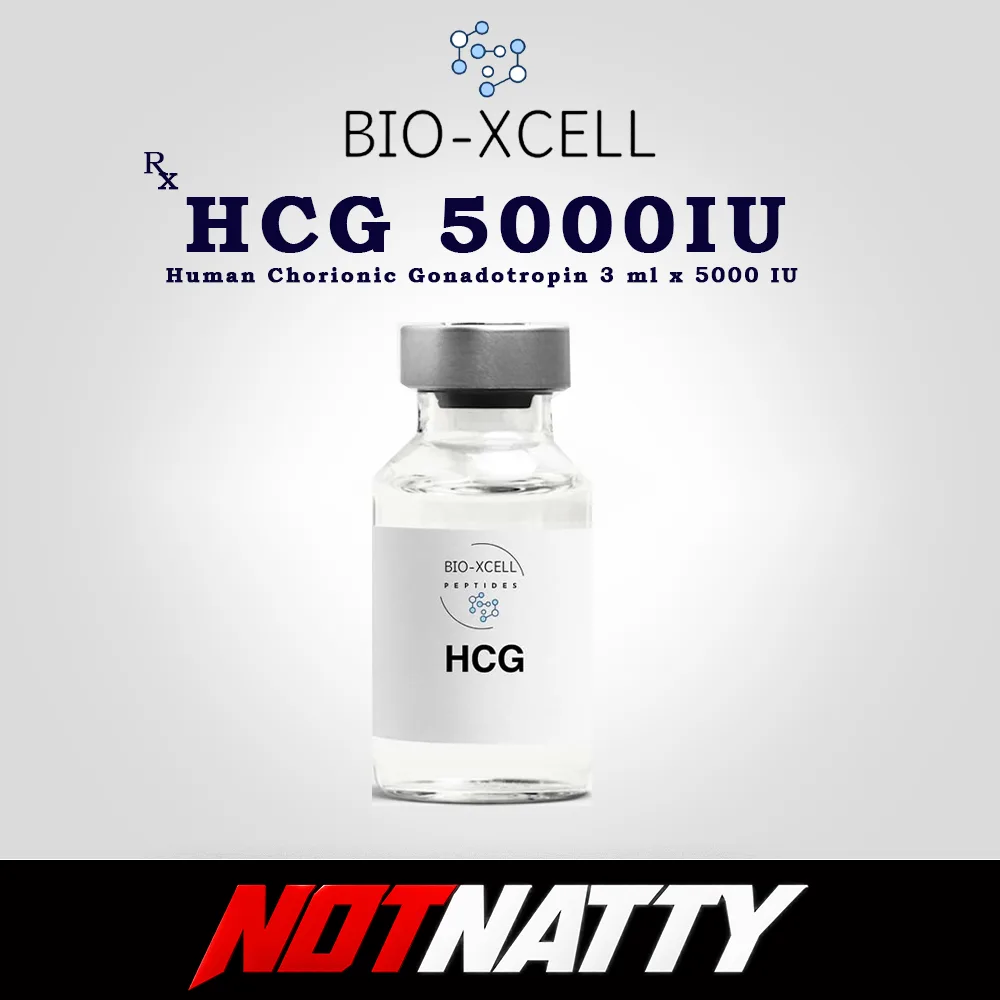
HCG is a glycoprotein hormone that binds the LH receptor. Its beta subunit differs from LH, giving it a longer half-life. In male reproductive research it stimulates Leydig-cell testosterone production and models intratesticular testosterone; in female protocols it triggers final oocyte maturation before retrieval. Continuous exposure can desensitise Leydig cells, so dose-finding studies should account for duration as well as concentration.
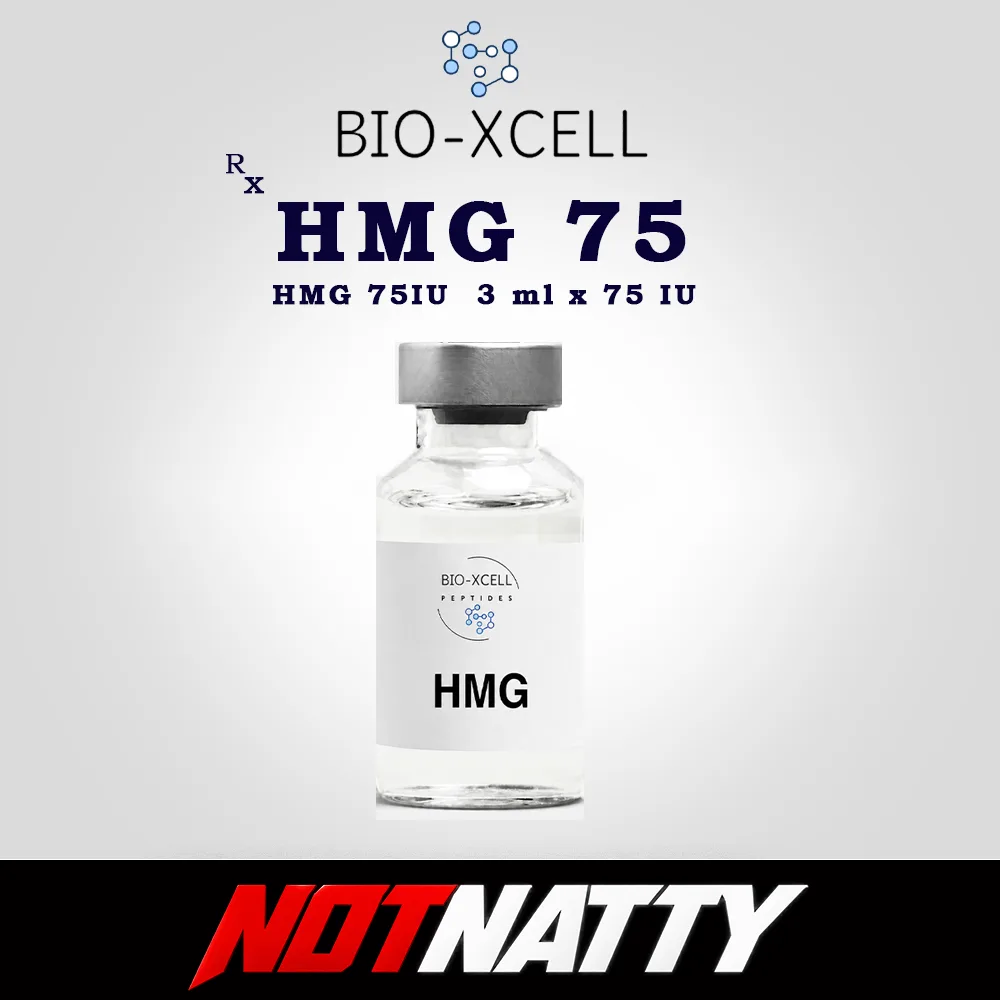
HMG is a urinary gonadotropin preparation containing both FSH and LH activity. FSH drives follicular recruitment and granulosa-cell aromatase activity, while LH supports theca-cell androgen production and Leydig-cell testosterone synthesis. It is used in controlled ovarian stimulation, spermatogenesis recovery after suppression, and comparisons with recombinant gonadotropins.
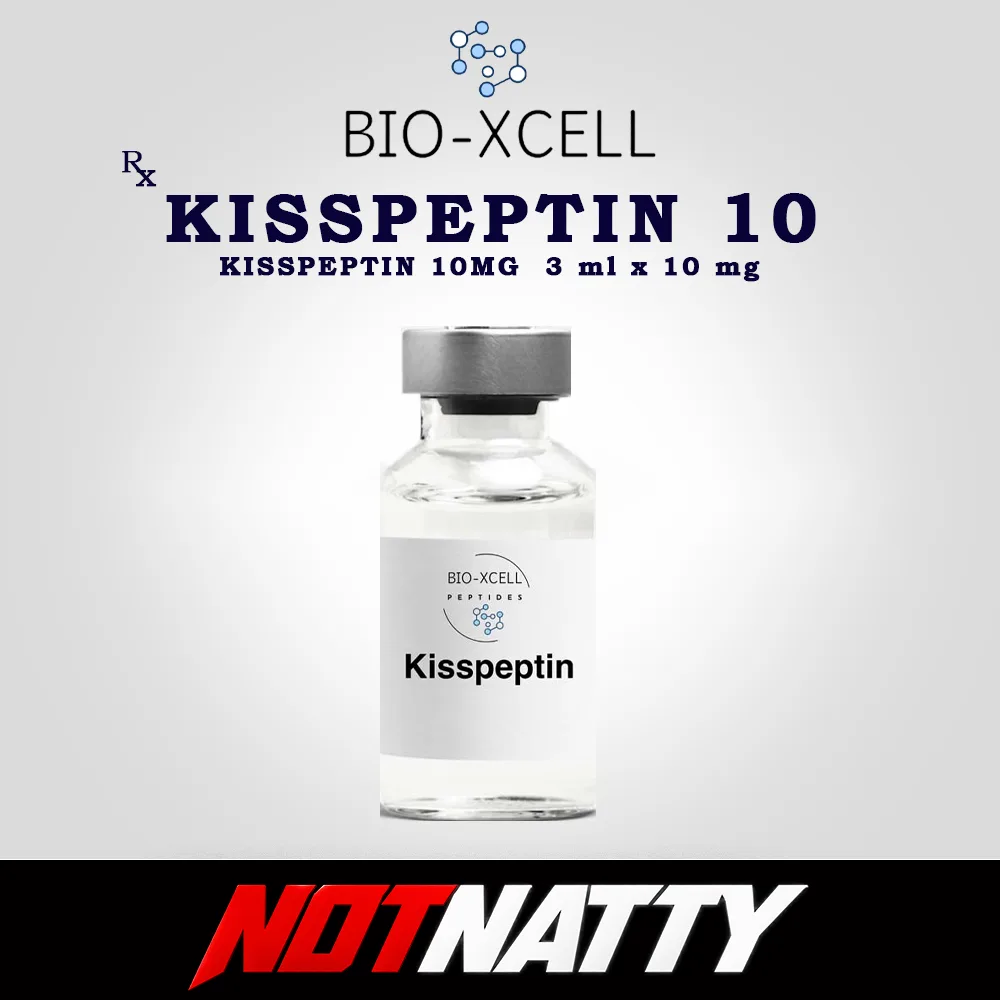
Kisspeptin is a hypothalamic neuropeptide that binds KISS1R on GnRH neurons. It is studied for GnRH pulse generation, pubertal onset, LH surge dynamics, and the reproductive effects of metabolic stress. Because kisspeptin has a short plasma half-life, infusion or frequent sampling is often needed to capture the LH response.
How to choose
For direct LH receptor activation, HCG is the tool. For combined FSH and LH activity, HMG is the preparation. For upstream GnRH control, kisspeptin is the signal. If the study is about pituitary response, measure LH and FSH; if it is about gonadal response, measure testosterone, oestradiol, or follicular development depending on the model.
Documentation and handling
HCG and HMG are glycoproteins, so carbohydrate structure affects receptor binding and immunogenicity. Batch characterisation should include mass and, where available, glycan analysis. Store lyophilised material at -20C and reconstitute under sterile conditions.
FAQ
Is HCG the same as LH? No. It binds the same receptor but has a different structure and a longer half-life.
Can HMG be used in male research? Yes. It is studied for spermatogenesis when endogenous gonadotropin output is suppressed.
Does kisspeptin replace HCG for maturation? It is being studied as an alternative, but the evidence base is different and should not be treated as equivalent.
Buying Hormonal & Fertility Research Online
HCG, HMG, and kisspeptin research materials for LH/FSH signalling, spermatogenesis, follicular development, and GnRH biology. Research-grade vials.