

Metabolic & GLP-1 Research
Research tools for GLP-1, GIP, glucagon, amylin and lipolysis pathways, from semaglutide and tirzepatide to retatrutide, AOD-9604 and SLU-PP-332.
18 products.
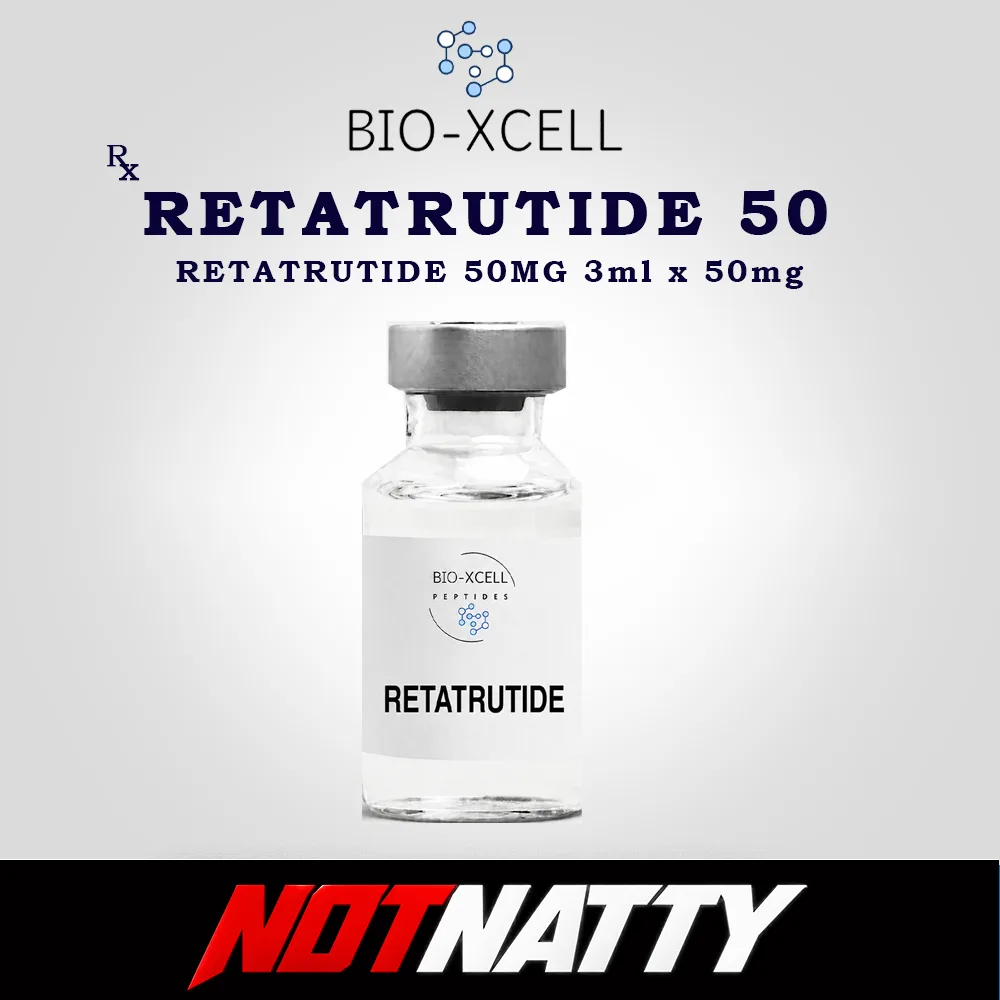
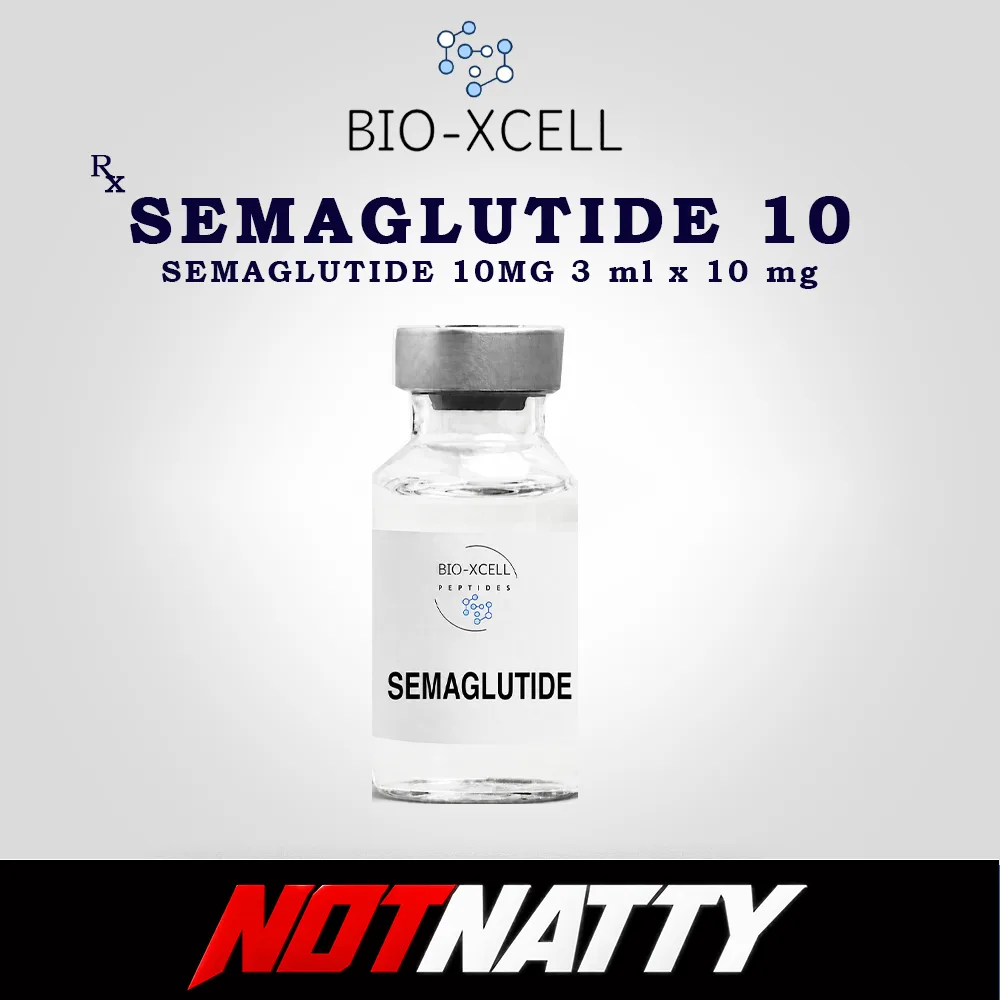
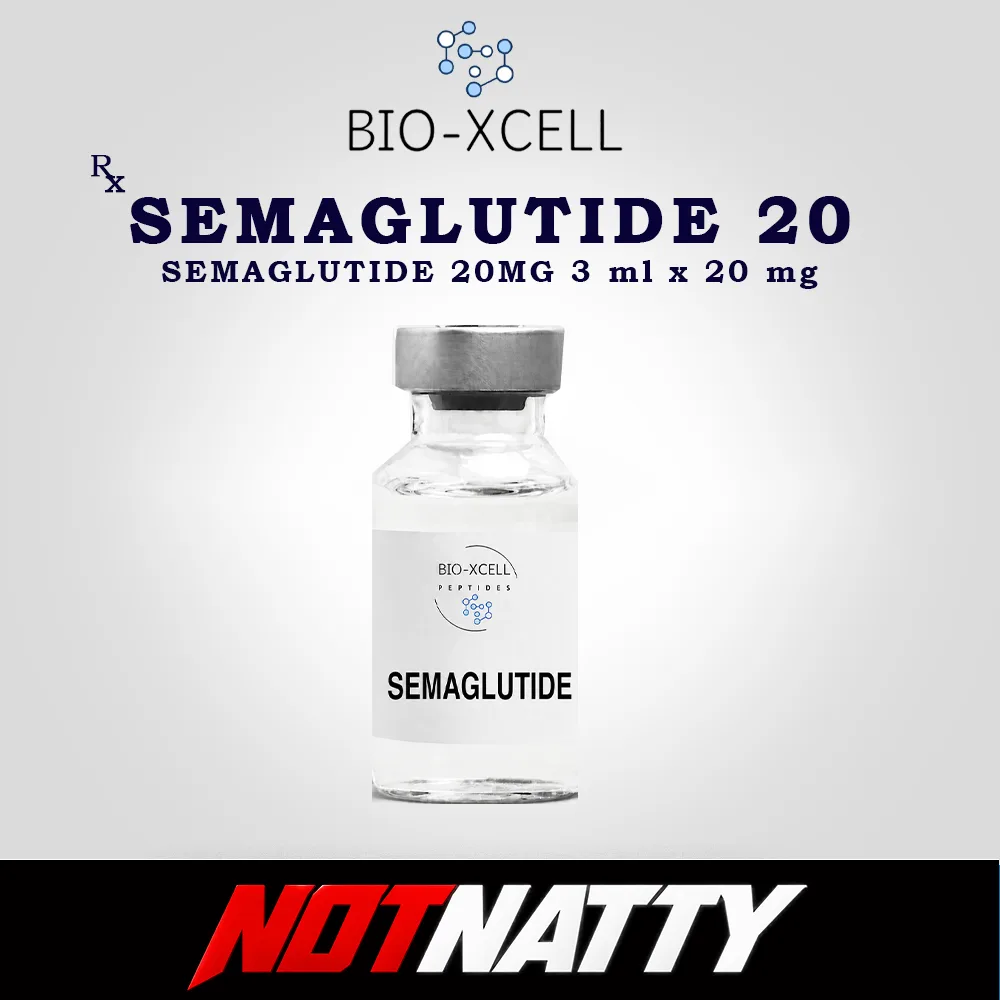
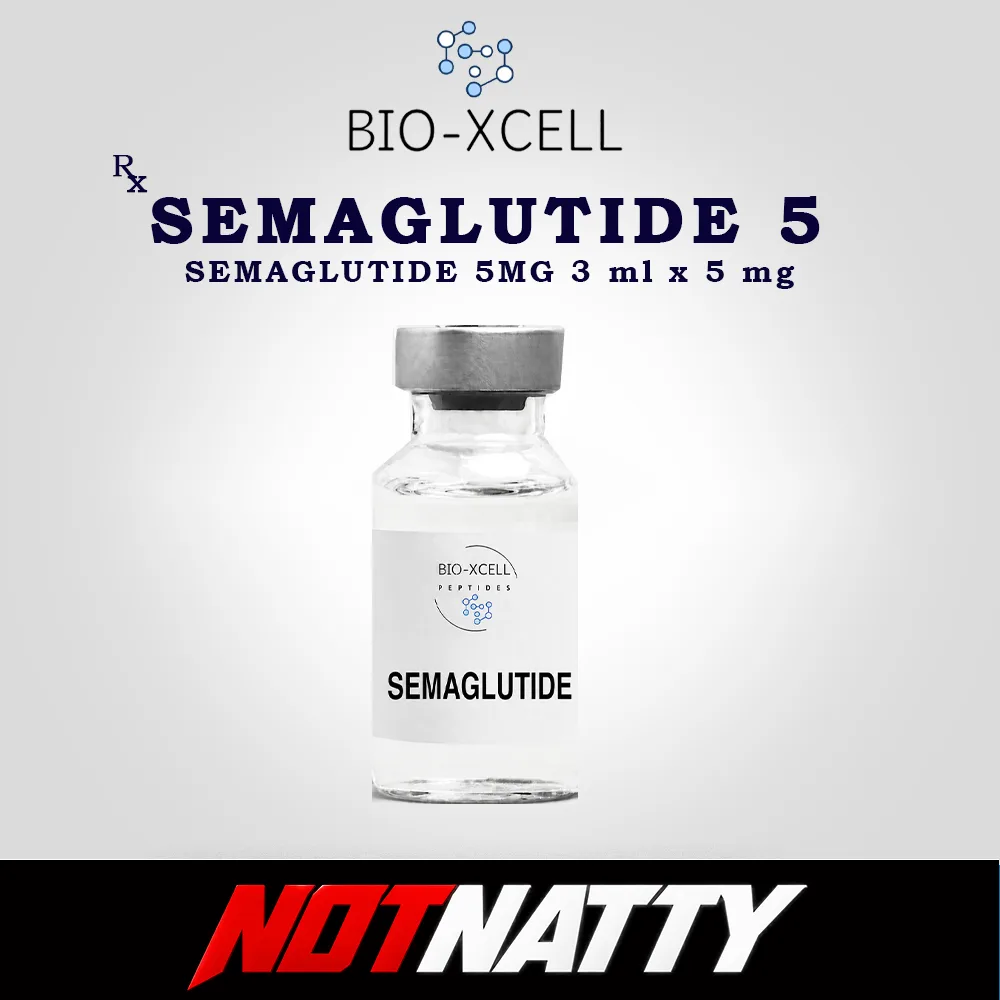
Metabolic and GLP-1 Research Compounds
Metabolic research has moved from a single incretin pathway to a network of interacting signals. GLP-1 receptor agonism slows gastric emptying and reduces appetite, GIP agonism complements insulin secretion and adipose lipid handling, glucagon receptor activation raises energy expenditure, and amylin signalling adds satiety through a separate circuit. This category collects the compounds used to study those pathways, plus small molecules and mitochondrial signals that act downstream of them.
What the research covers
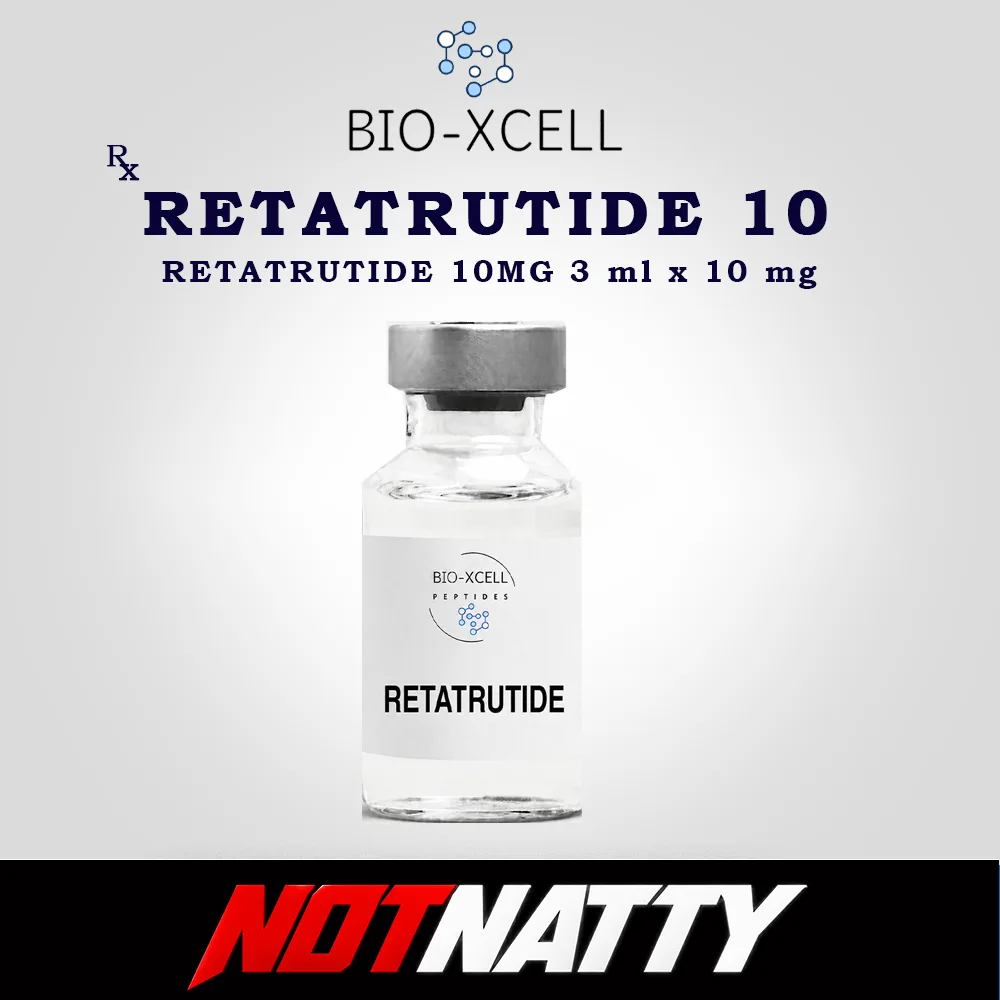
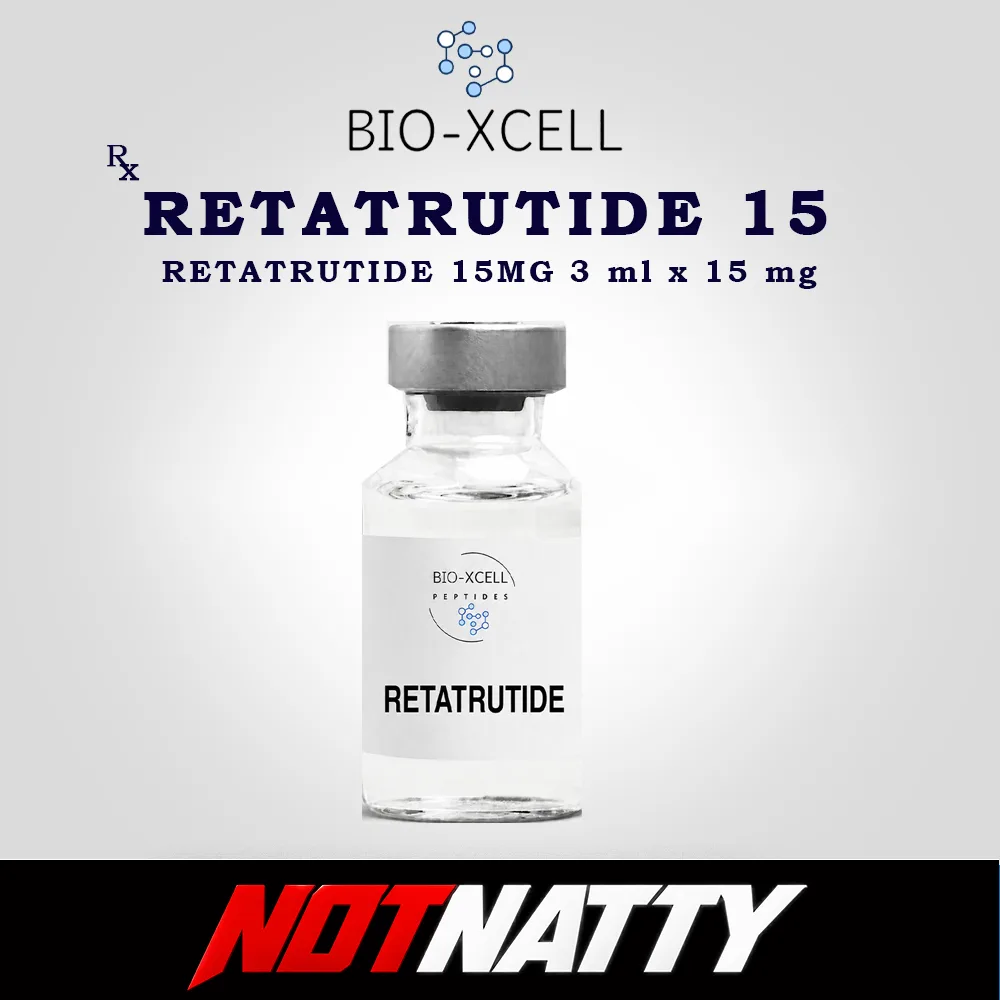
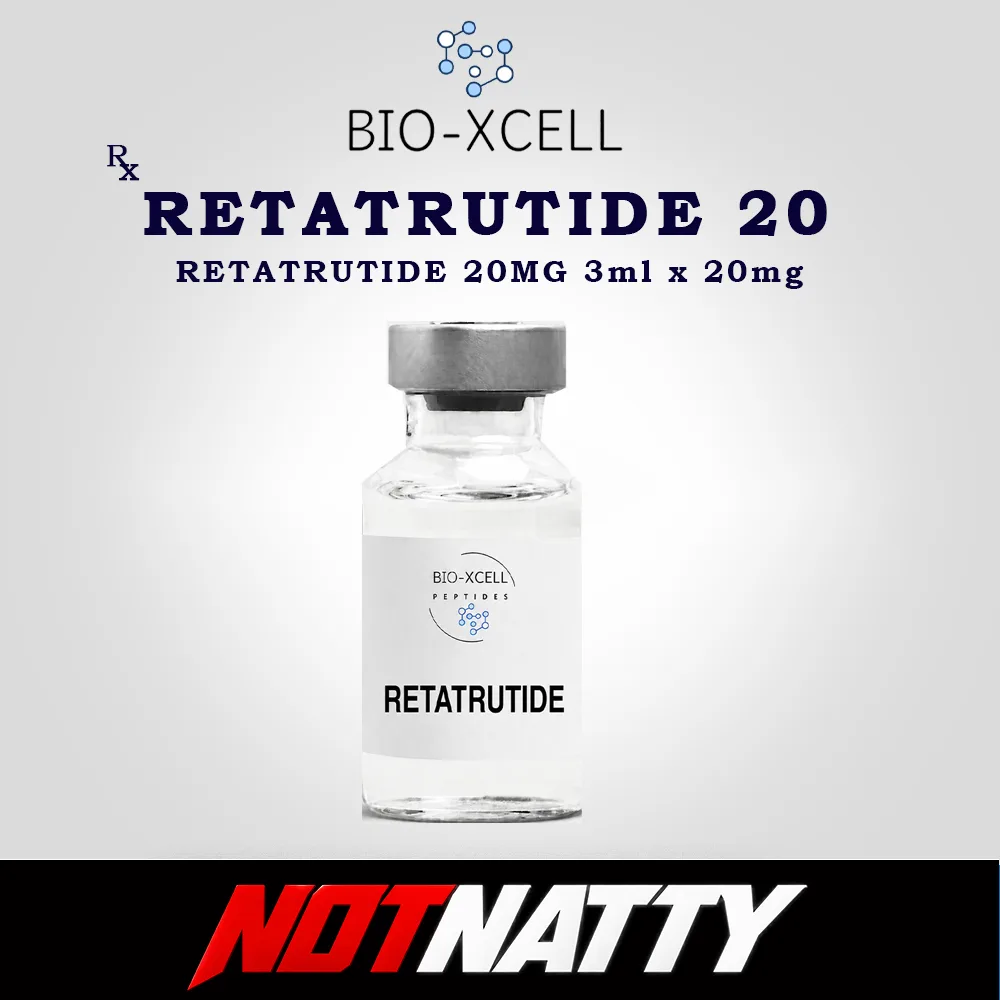
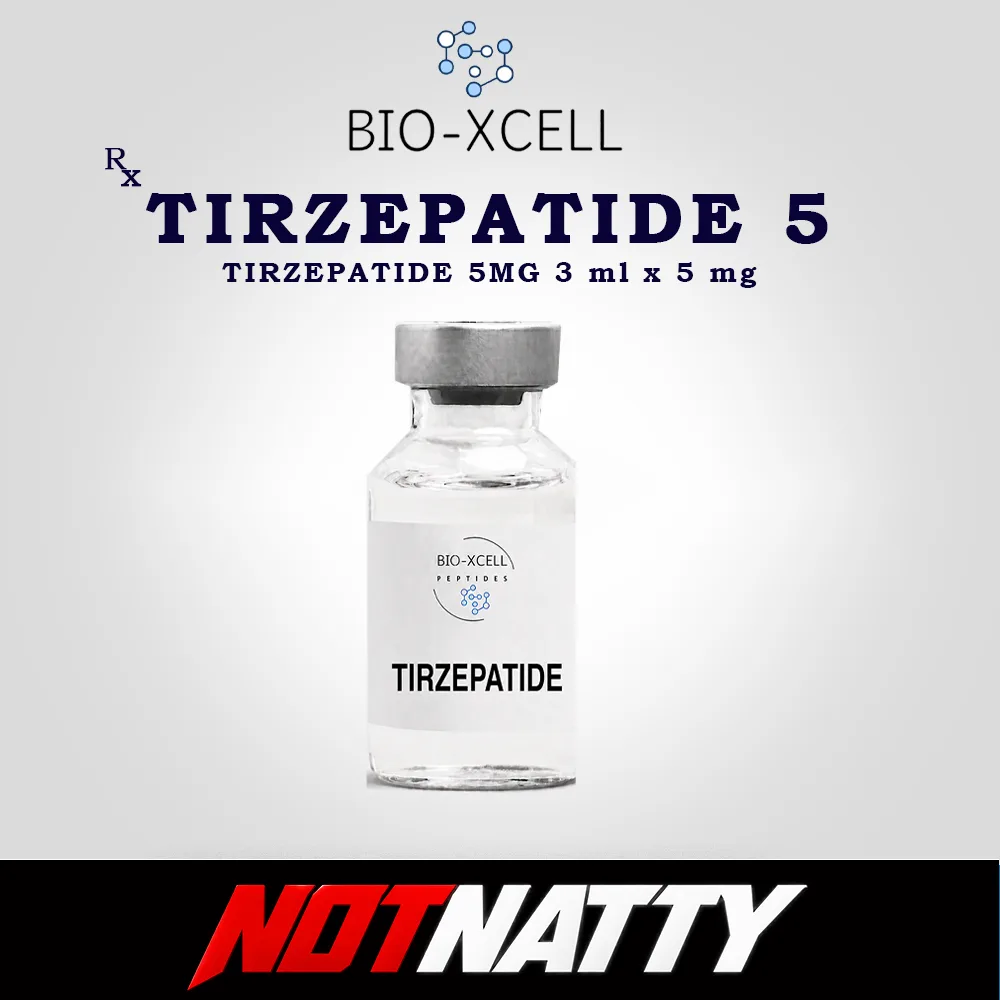
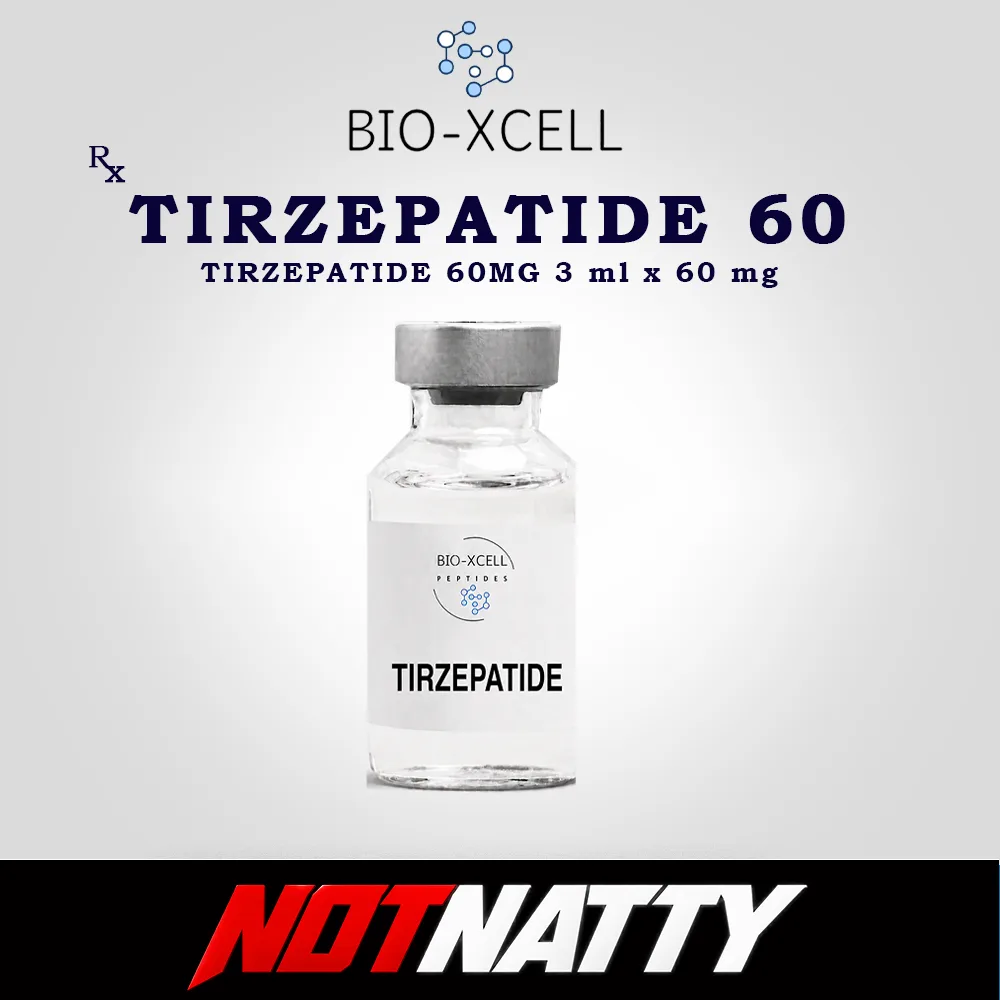
GLP-1 receptor agonists such as semaglutide are studied for glucose-dependent insulin secretion, glucagon suppression, delayed gastric emptying, and weight loss. Tirzepatide adds GIP receptor agonism, and retatrutide adds glucagon receptor agonism, which is why the dual and triple agonists are compared with GLP-1 monotherapy in body-composition and hepatic-fat studies.
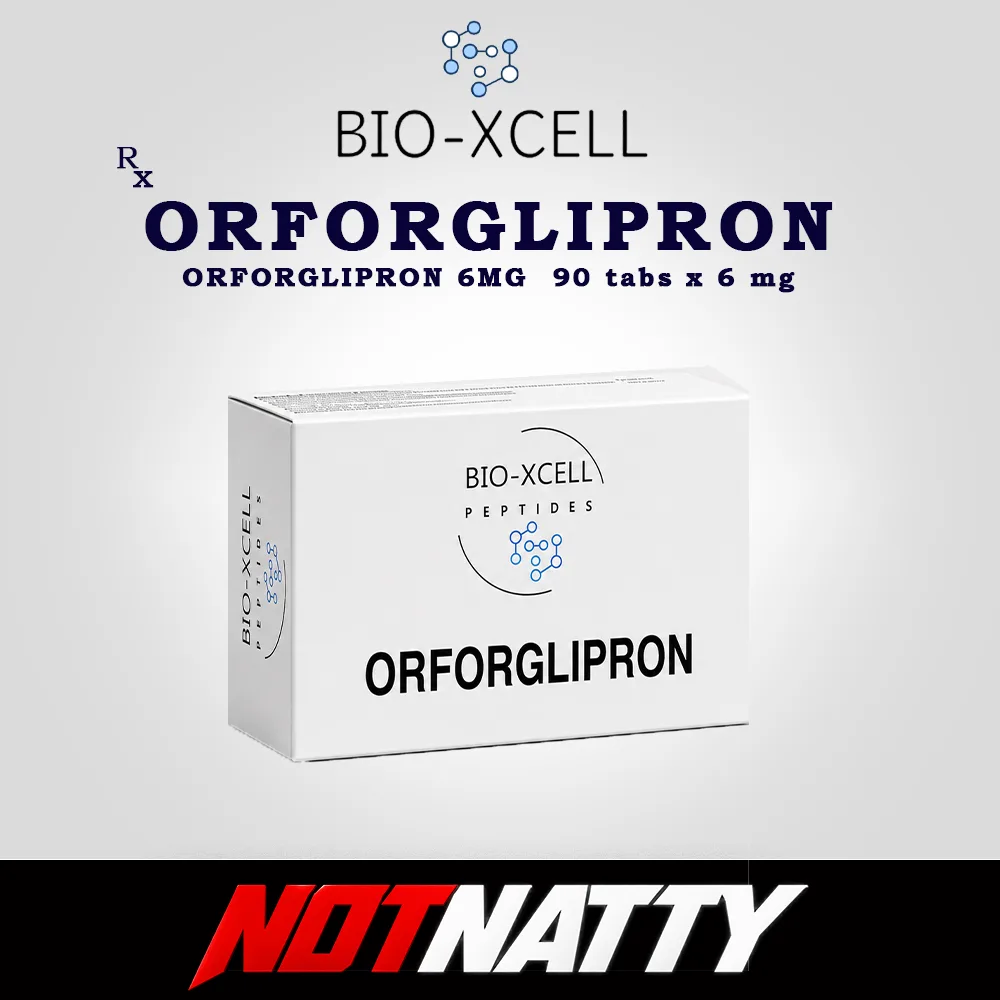
Cagrilintide is an amylin analog studied for satiety and gastric emptying, often alongside GLP-1 agonists because the two signals act on complementary brainstem and hypothalamic circuits. Orforglipron is a non-peptide, orally available GLP-1 receptor agonist, useful for separating receptor pharmacology from peptide pharmacokinetics.
The category also includes compounds that do not act on incretin receptors. 5-AMINO-1MQ inhibits nicotinamide N-methyltransferase and is studied for adipocyte metabolism and NAD+ balance. AOD-9604 and HGH fragment 176-191 are growth-hormone fragments studied for lipolysis without the IGF-1 rise seen with full-length HGH. SLU-PP-332 activates estrogen-related receptors and is used as an exercise-mimetic tool in mitochondrial and fatty-acid oxidation research.
How to choose
Start with the receptor question. If the study is about GLP-1 monotherapy, semaglutide is the cleanest comparator. If the question is whether GIP adds benefit, tirzepatide is the standard dual agonist. If the question is energy expenditure or hepatic fat, retatrutide adds glucagon activity. If oral bioavailability is the variable, orforglipron is the non-peptide tool. For lipolysis independent of incretin signalling, AOD-9604 and HGH fragment 176-191 are the relevant fragments.
Documentation and handling
Every product page states the dose, form, and fill. Lyophilised peptides should be stored at -20C, protected from light, and reconstituted only as needed. Small molecules such as 5-AMINO-1MQ, orforglipron, and SLU-PP-332 require laboratory solvents and are not handled like peptides.
FAQ
Are these products approved medicines? No. They are research materials, not drugs, and are not for human use.
Can I compare doses across products? The pages state the mass per vial, but dose selection is a study-design decision. Bioxcell does not provide dosing guidance.
Buying Metabolic & GLP-1 Research Online
Explore GLP-1, GIP, amylin, and lipolysis research compounds, including semaglutide, tirzepatide, retatrutide, and AOD-9604. Research-grade vials.