

Repair & Recovery
Research peptides for angiogenesis, cell migration, collagen synthesis and mucosal repair, including BPC-157, TB-500, GHK-Cu, KPV and repair blends.
9 products.
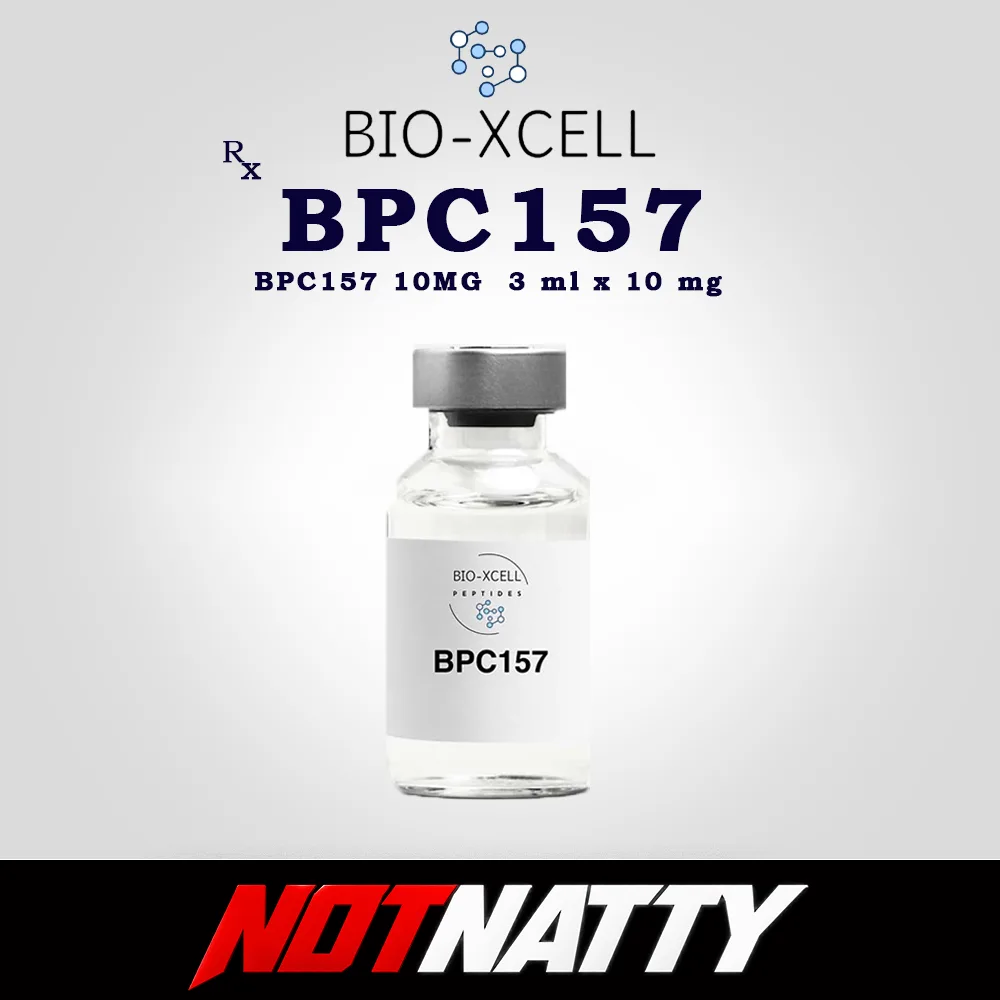
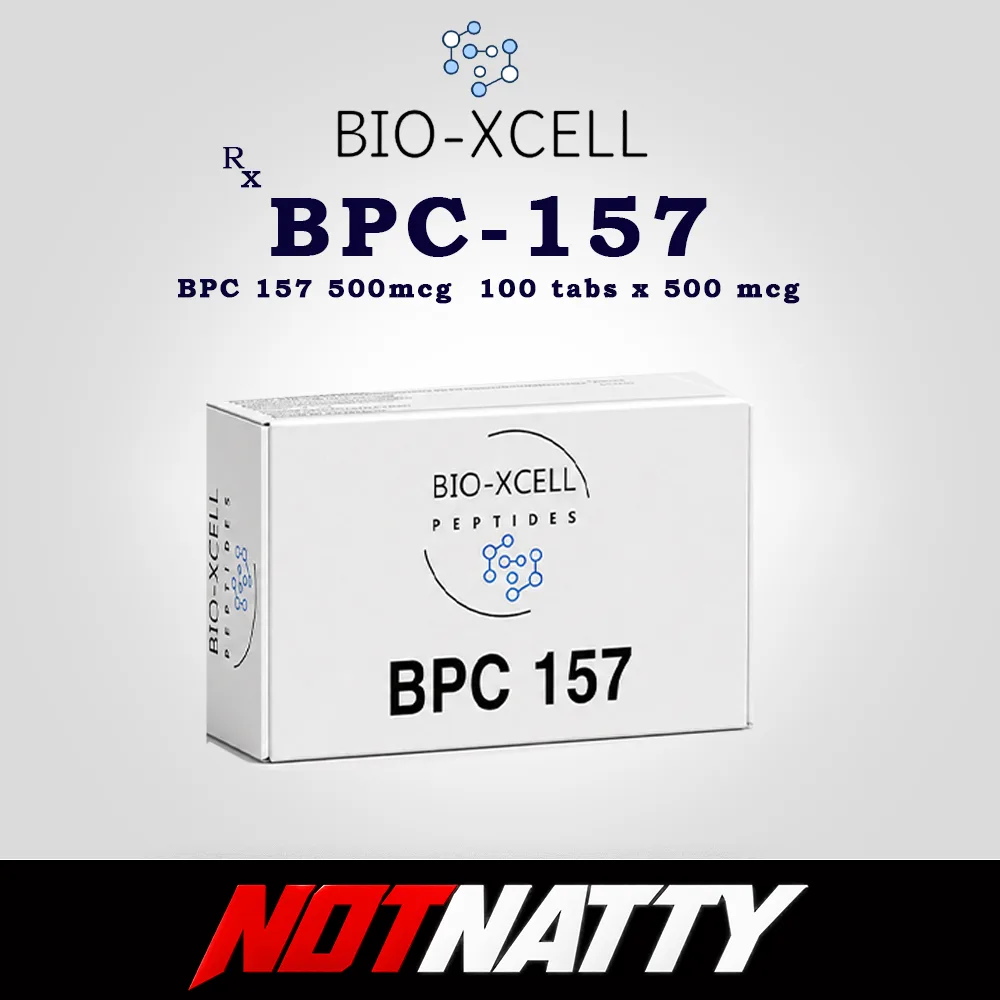
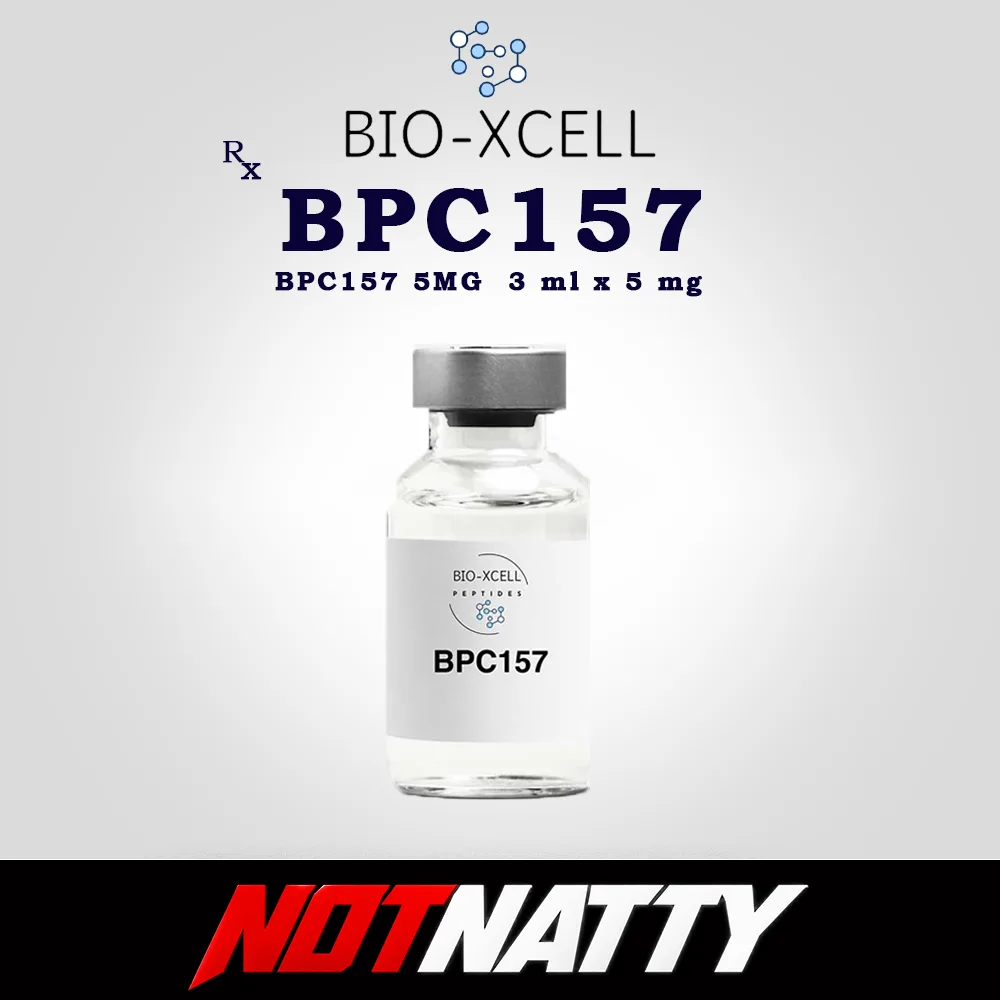
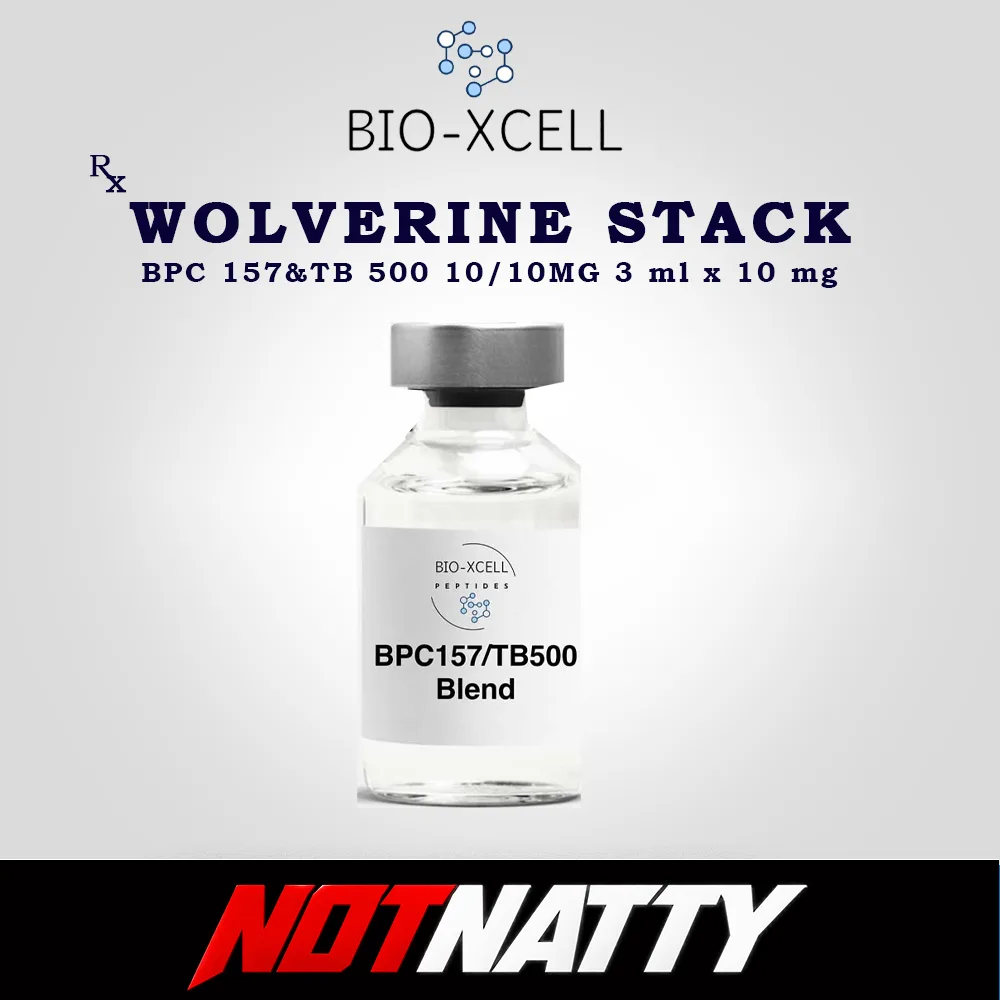
Repair and Recovery Research Peptides
Tissue repair is a sequence, not a single event. Injury triggers an inflammatory phase, then angiogenesis, cell migration, matrix deposition, and finally remodelling. Different research compounds act on different steps of that sequence, which is why repair studies often combine an angiogenesis signal with a migration signal and a matrix signal.
What the research covers
BPC-157 is studied for VEGF/eNOS-dependent angiogenesis, gut mucosal protection, tendon healing, and inflammatory modulation. It is used in gastric ulcer, colitis, tendon transection, muscle crush, and wound-closure models. The oral tablet presentation is relevant to gut-focused work because it delivers the peptide to the intestinal lumen rather than the systemic circulation.
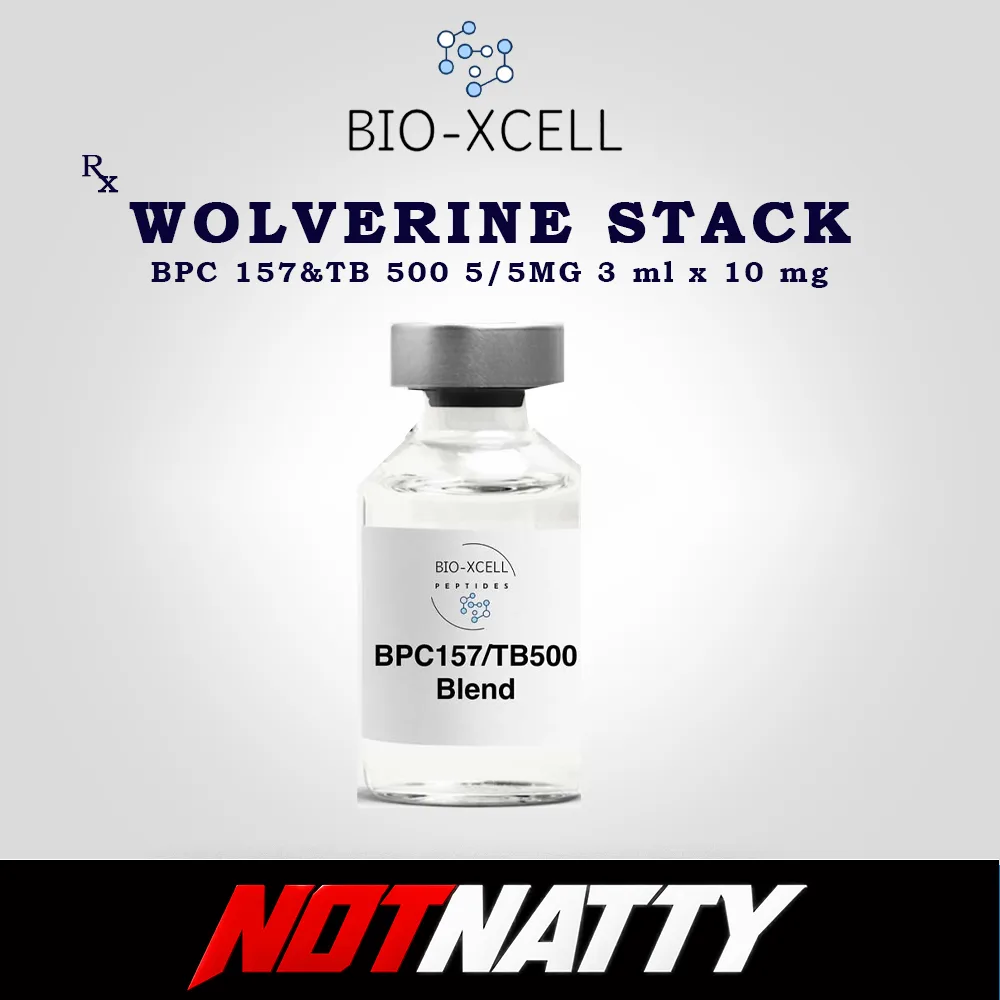
TB-500 is a fragment of thymosin beta-4 studied for actin-cytoskeleton regulation, cell migration, and scar modulation. It is often paired with BPC-157 because vessel formation and cell recruitment are sequential steps in repair. The 1:1 blends supply both peptides in a single vial for ratio-controlled experiments.
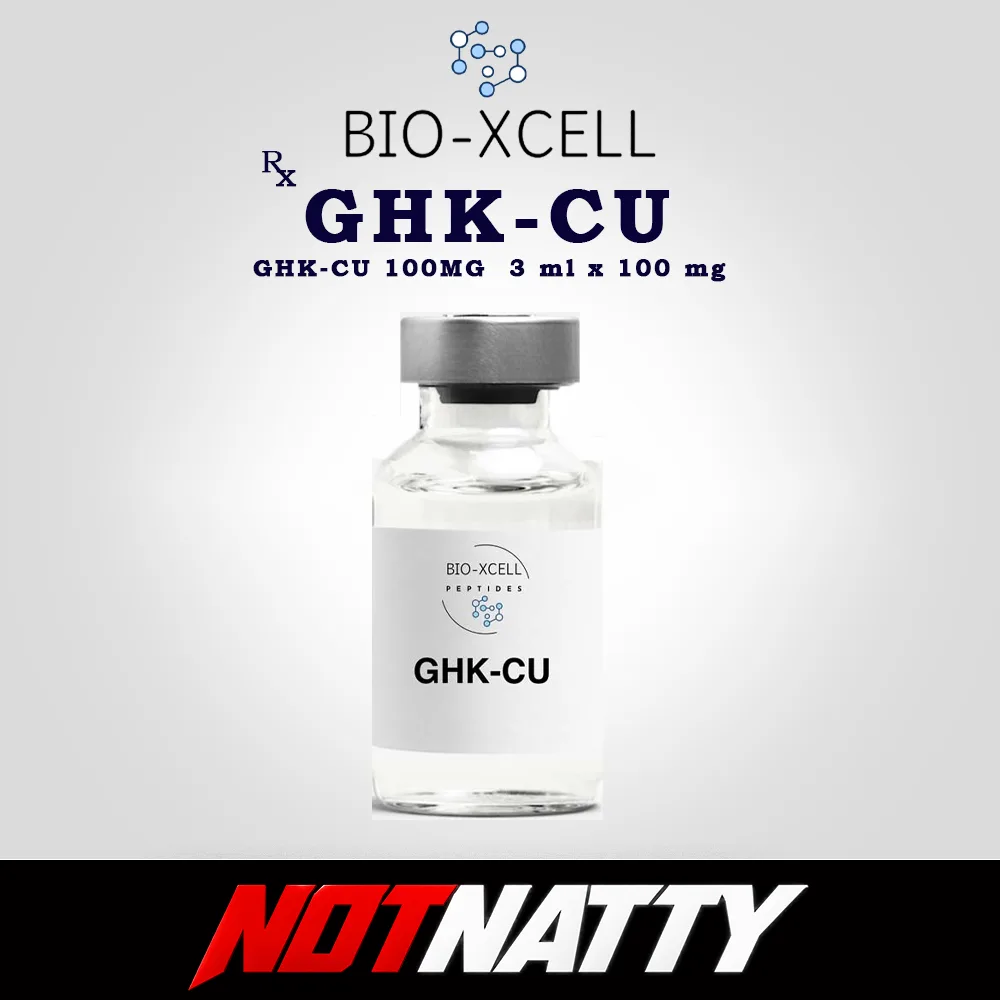
GHK-Cu is a copper-binding tripeptide studied for collagen and glycosaminoglycan synthesis, elastin organisation, and hair-follicle biology. Copper chemistry matters: chelating agents can strip the copper and abolish activity, so handling and buffer choice should be documented.
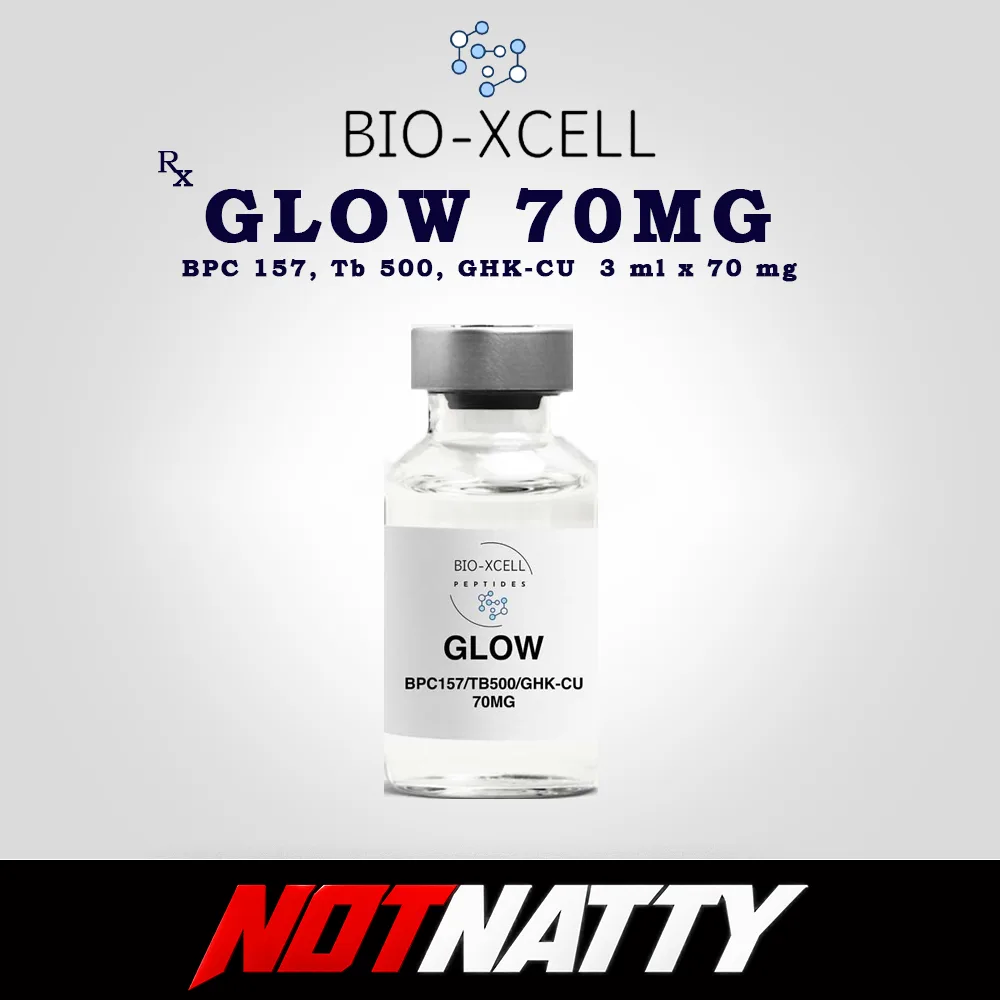
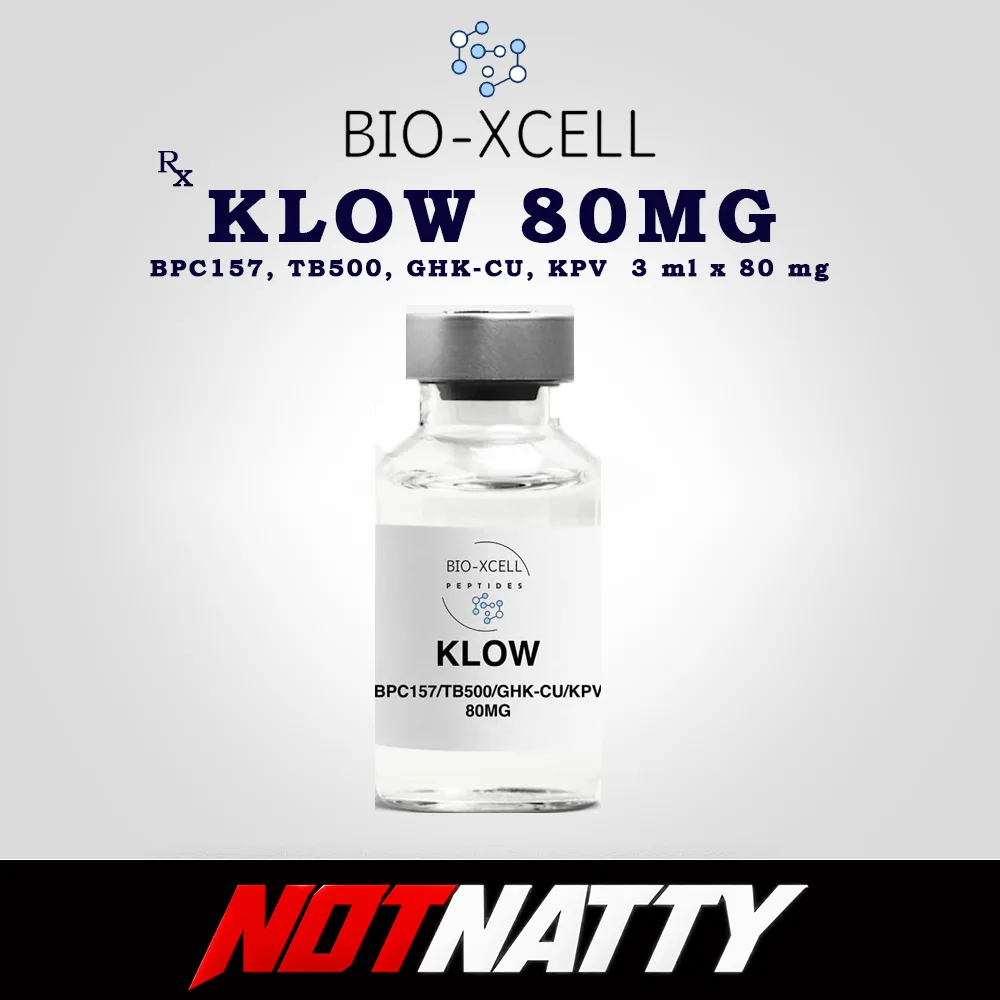
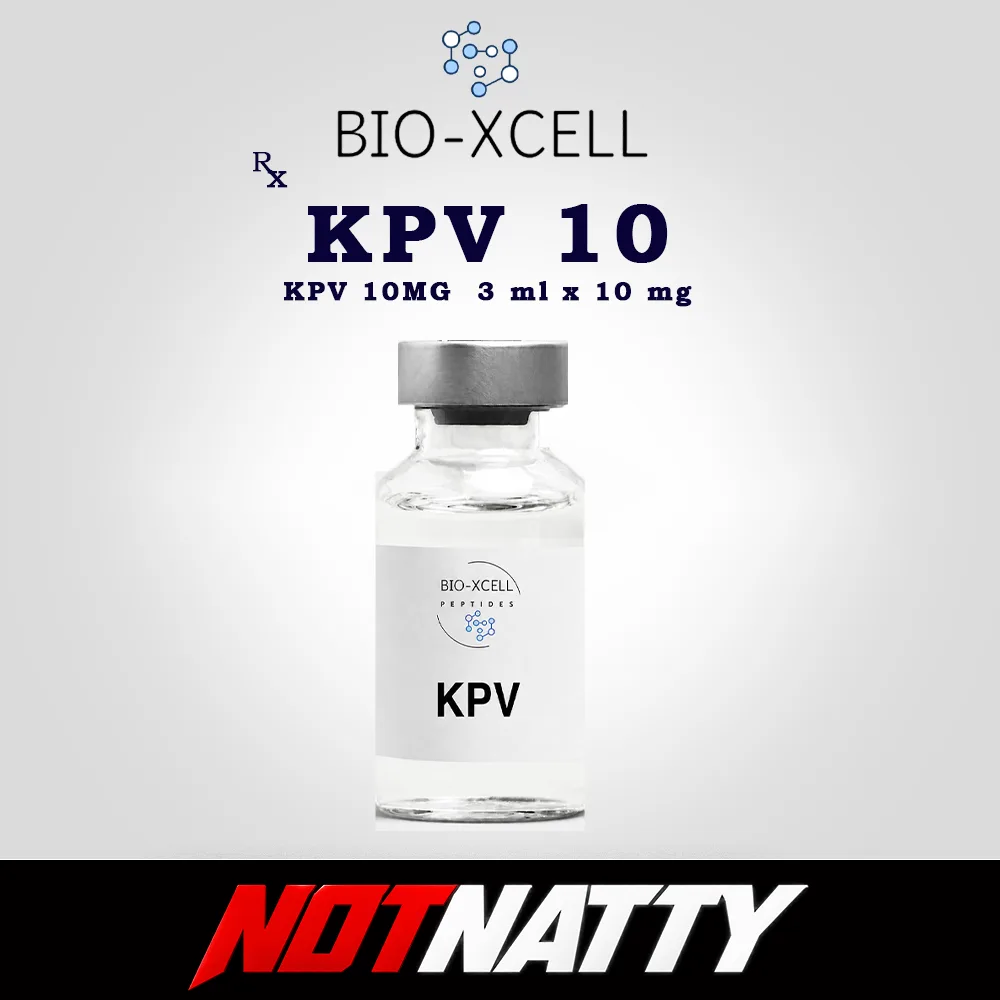
KPV is the C-terminal tripeptide of alpha-melanocyte-stimulating hormone, studied for NF-kB suppression and mucosal inflammation. GLOW combines BPC-157, TB-500, and GHK-Cu for skin and connective-tissue research. KLOW adds KPV for inflammation resolution.
How to choose
For gut-focused work, the oral BPC-157 tablet is the relevant form. For tendon and ligament models, BPC-157 alone or the BPC-157/TB-500 blend is standard. For skin and collagen endpoints, GHK-Cu or GLOW is the better fit. For mucosal inflammation, KPV alone or KLOW provides the melanocortin-derived signal. Include single-agent arms when testing a blend so that additive and synergistic effects can be separated.
Documentation and handling
Blends are supplied as a single lyophilised vial. Reconstitute gently, because GHK-Cu foams and TB-500 is sensitive to shear. Verify each component independently when identity matters. Store at -20C, protect from light, and prepare single-use aliquots.
FAQ
Is the oral BPC-157 the same as the injectable research vial? No. The tablet is a different presentation intended for enteral exposure. The vial is reconstituted for laboratory administration.
Can I use a blend instead of single peptides? Yes, but include single-agent controls so the effect can be attributed.
Do you provide handling guidance? General storage guidance is on each page. Bioxcell does not provide dosing or administration protocols.
Buying Repair & Recovery Online
Research BPC-157, TB-500, GHK-Cu, KPV, and repair blends for angiogenesis, cell migration, collagen synthesis, and mucosal healing. Research-grade vials.