

Longevity & Mitochondrial Research
NAD+, MOTS-C, SS-31, Epithalon and glutathione research materials for redox biology, mitochondrial function and telomere research.
8 products.
Longevity and Mitochondrial Research Compounds
Ageing research is not one pathway. It includes NAD+ decline, mitochondrial dysfunction, telomere attrition, oxidative stress, and chronic low-grade inflammation. This category collects compounds used to probe those mechanisms, with an emphasis on tools that can be measured: redox ratios, respiration, telomerase activity, and mitochondrial membrane potential.
What the research covers
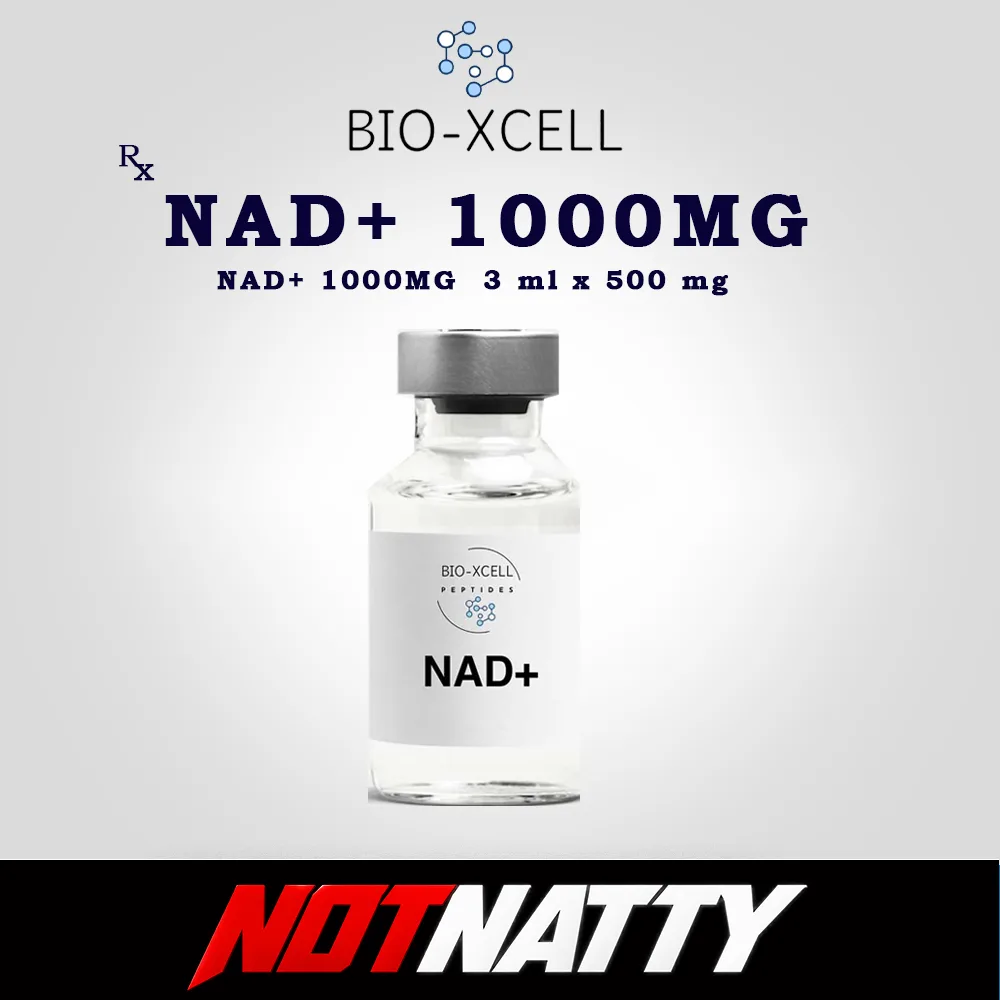
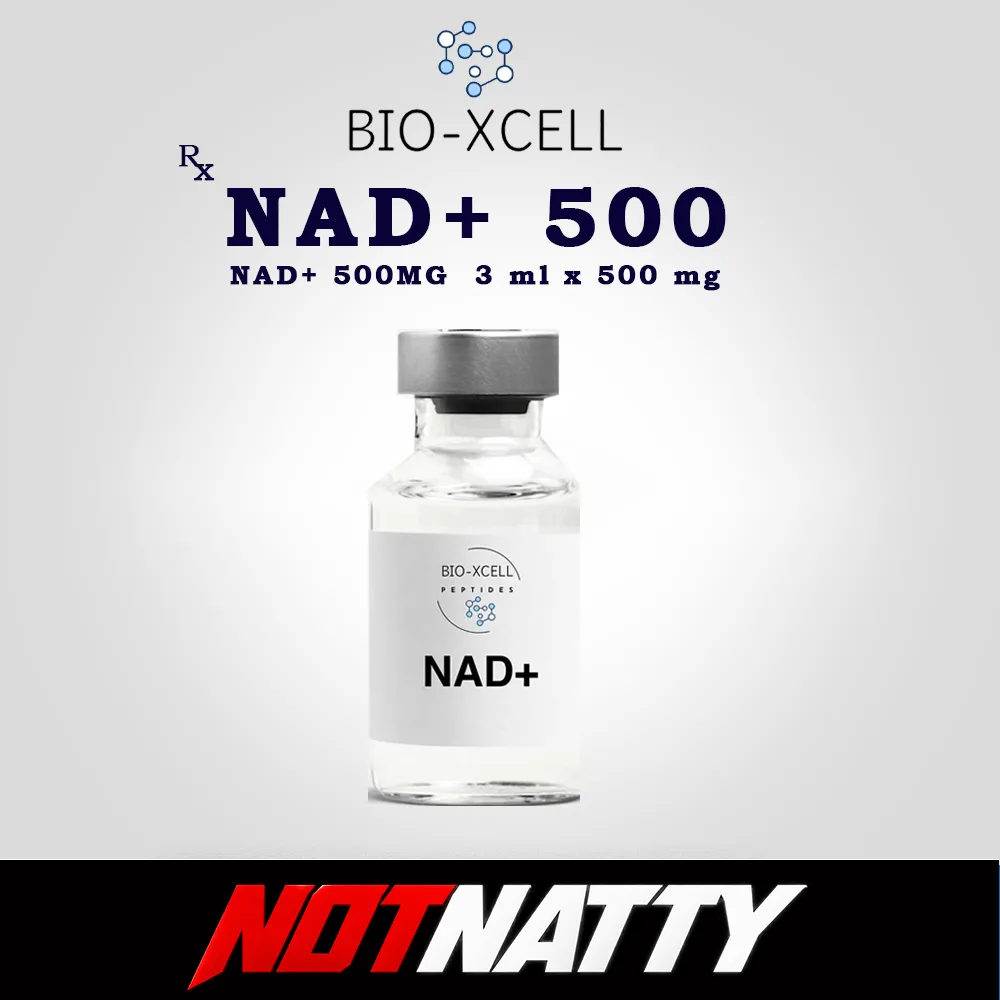
NAD+ is a redox coenzyme and the substrate for sirtuins, PARP enzymes, and CD38. Its availability links energy metabolism to DNA repair, chromatin regulation, and inflammatory signalling. NAD+ repletion is studied in neurodegeneration, metabolic disease, and mitochondrial myopathy, but cellular uptake and the balance between beneficial sirtuin activation and pro-inflammatory consumption remain open questions.
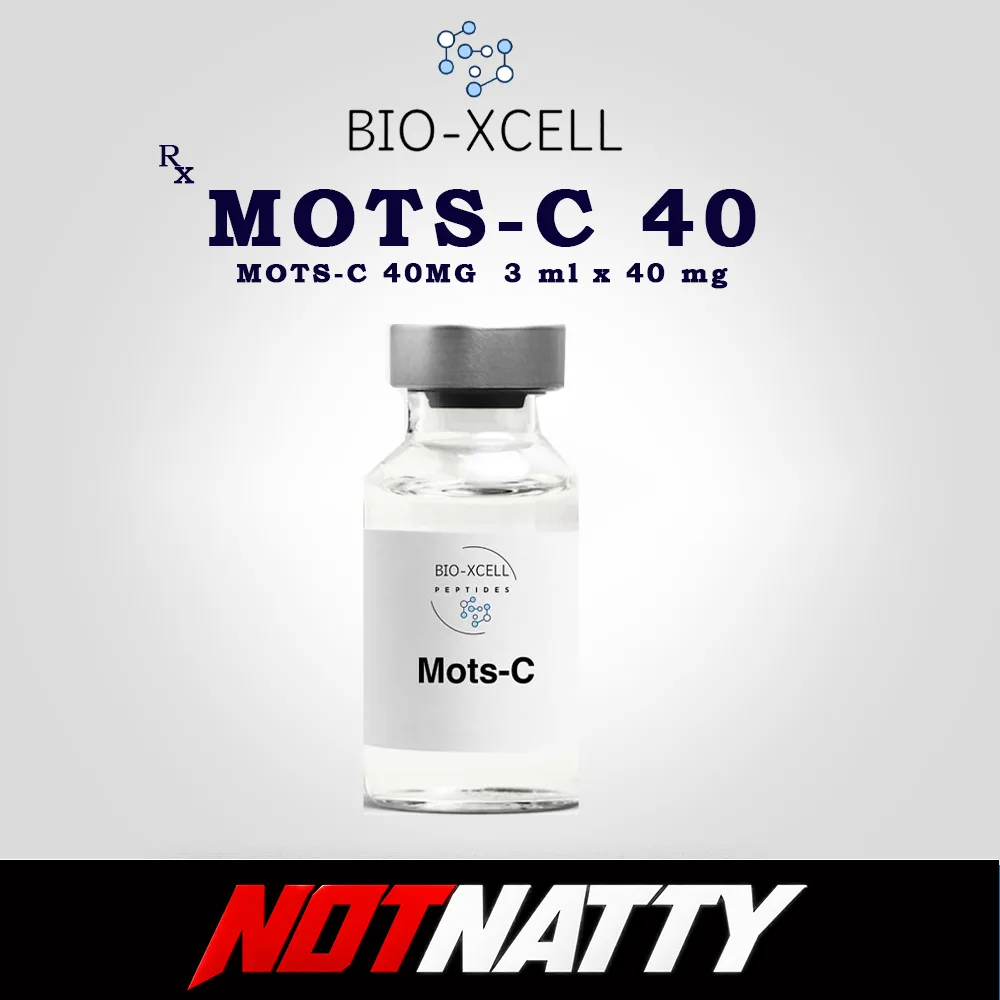
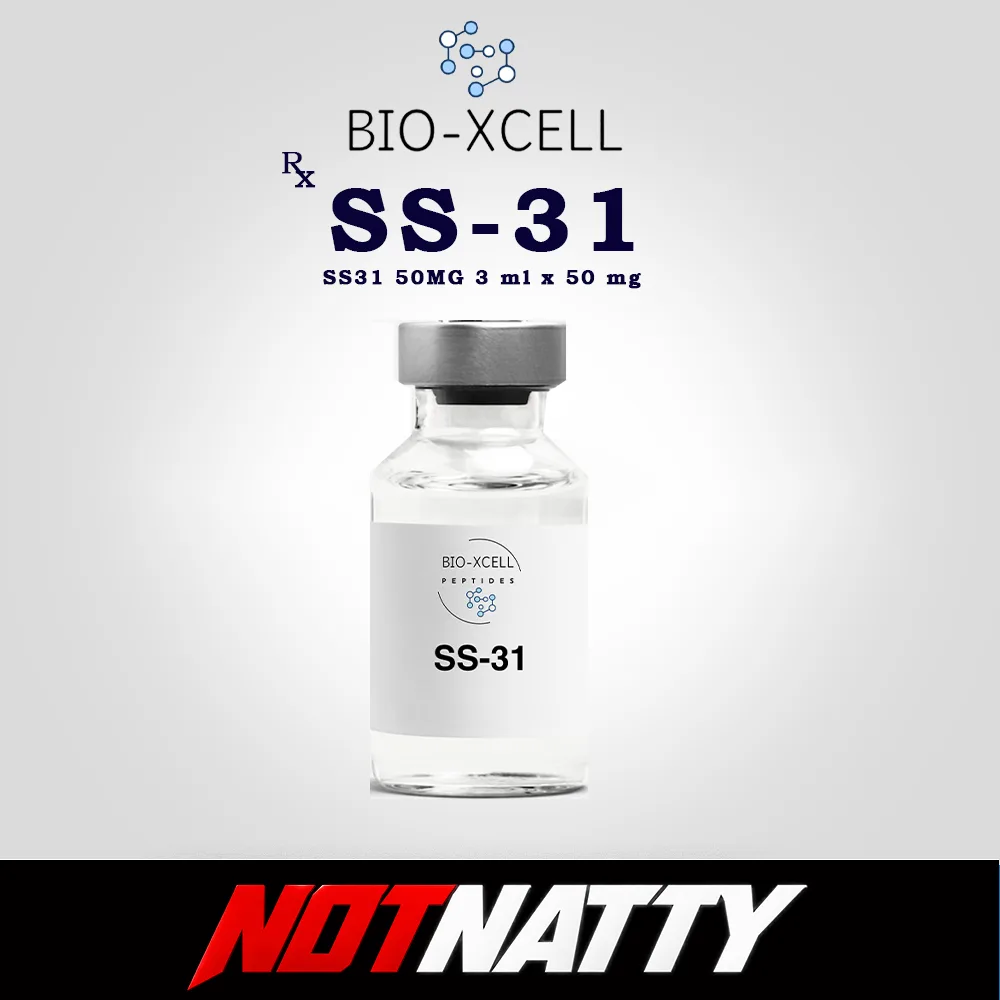
MOTS-C is a mitochondrial-encoded peptide that activates AMPK, inhibits MTHFD2, and translocates to the nucleus under metabolic stress. It is studied as an exercise-mimetic signal that increases glucose uptake and fatty-acid oxidation. SS-31 (elamipretide) is a mitochondria-targeted tetrapeptide that binds cardiolipin, stabilises cristae, and reduces reactive oxygen species in ischaemia-reperfusion models.
Epithalon is the AEDG tetrapeptide studied for hTERT induction, telomerase activity, and telomere elongation in human somatic cells. The foundational in-vitro work is widely cited, but independent replication remains limited. Glutathione is the main intracellular antioxidant tripeptide; the reduced and oxidised forms are not interchangeable, and the GSH/GSSG ratio is often more informative than total glutathione.
How to choose
If the endpoint is telomerase or telomere length, Epithalon is the direct tool. If the endpoint is NAD+ availability or sirtuin activity, NAD+ is the substrate; NMN and NR are comparators. If the endpoint is mitochondrial respiration or cristae stability, SS-31 is the targeted tool. If the endpoint is AMPK activation or exercise adaptation, MOTS-C is the relevant peptide. For oxidative-stress endpoints, glutathione belongs in the panel as both a treatment and a measured analyte.
Documentation and handling
NAD+ is charged and poorly membrane-permeable, so studies should distinguish extracellular effects from intracellular repletion. Epithalon and MOTS-C are peptides and follow standard lyophilised storage. SS-31 is water-soluble and should be protected from light.
FAQ
Does NAD+ enter cells intact? That is an open research question. Studies should measure NAD+ metabolites rather than assume uptake.
Is Epithalon proven to extend human lifespan? No. The human evidence is limited, and the in-vitro telomerase findings have not been replicated at scale.
Can these compounds be combined? Combination studies exist, but each mechanism should be measured separately.
Buying Longevity & Mitochondrial Research Online
NAD+, MOTS-C, SS-31, Epithalon, and glutathione research materials for redox biology, telomeres, and mitochondrial function. Research-grade vials.