


Face & Hair Compounds
Face and hair research peptides compared - GHK-Cu for collagen and skin remodelling, melanotan for pigmentation - with vial sizes.
29 products.

Face & Hair Peptides: Collagen, Copper and Pigmentation
Appearance research is the part of the peptide market most distorted by marketing, so this category is deliberately narrow. It includes only compounds with a documented research basis for skin, hair or pigmentation, and it separates what the literature supports from what a label claims.
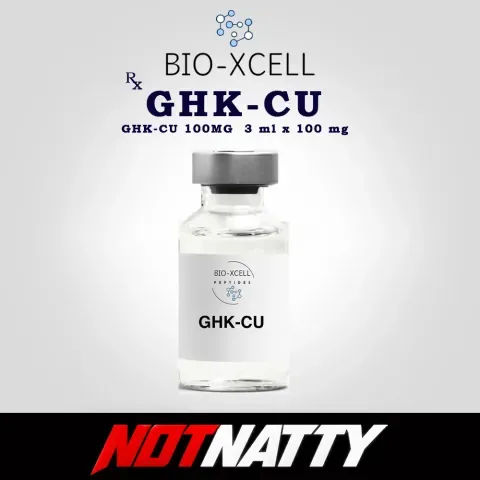
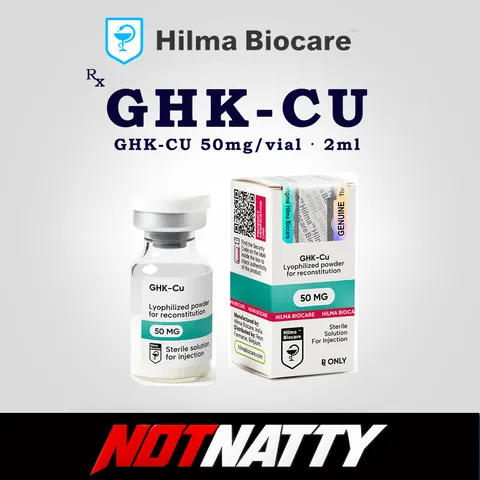
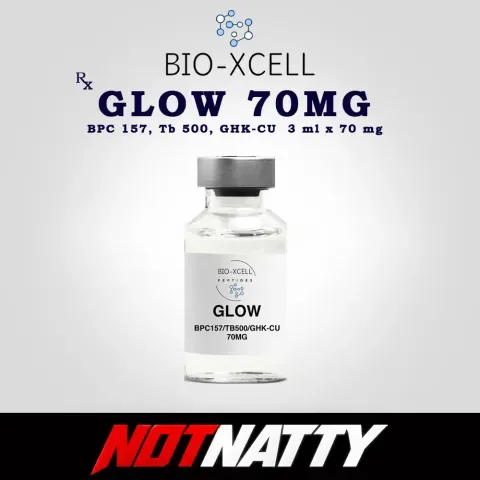
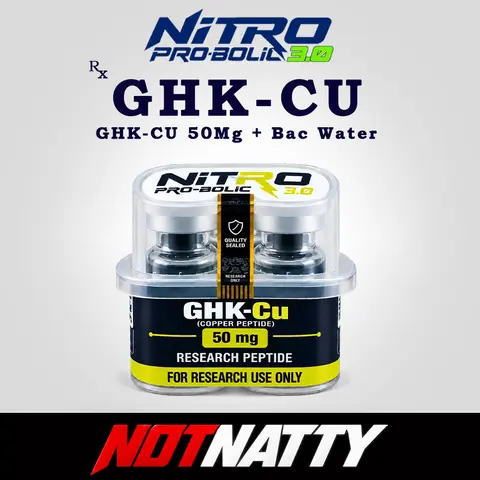
GHK-Cu
GHK-Cu is a copper-binding tripeptide first identified in human plasma. It is studied for its role in tissue remodelling: collagen synthesis, elastin production, angiogenesis and the regulation of genes involved in wound repair.
Copper is not incidental to that activity. The peptide delivers copper to cells in a form that participates in enzymatic reactions, and the copper-peptide complex is more active than the peptide alone. That is why GHK-Cu products are usually supplied as a blue-tinted solution or powder.
In skin research, the interest is in collagen density and skin firmness. In hair research, the focus is on follicle environment and blood supply rather than on hair growth directly.
Melanotan Peptides
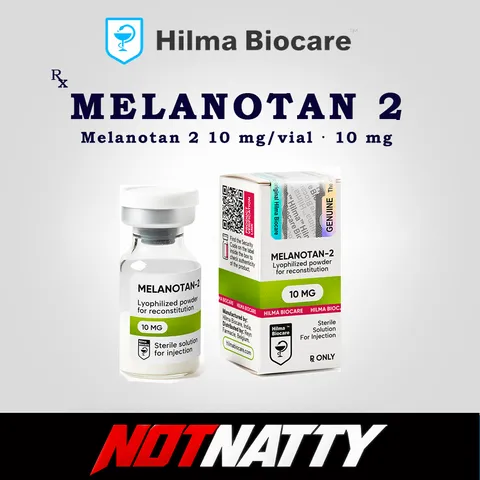
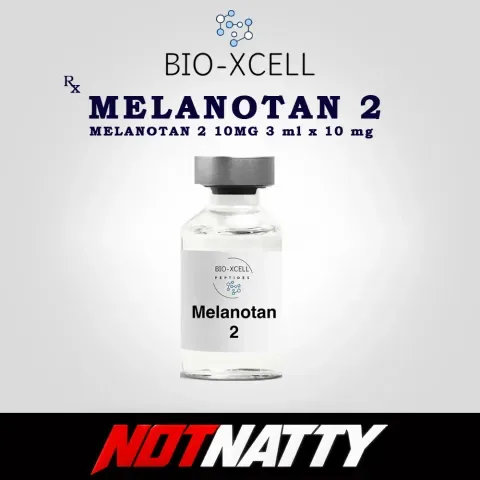
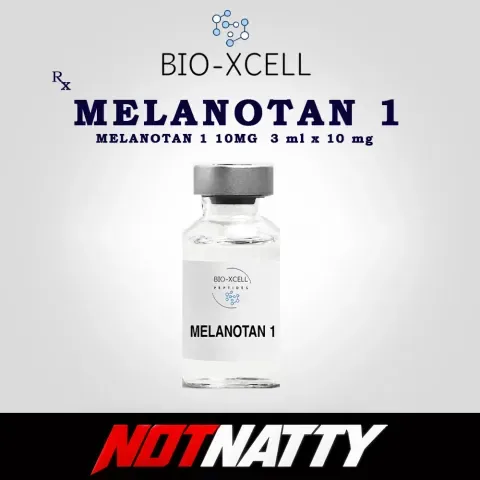
Melanotan 1 and melanotan 2 are synthetic analogues of alpha-melanocyte-stimulating hormone. They act on melanocortin receptors to stimulate melanin production, which is why they are studied for pigmentation rather than for skin quality.
The two differ in selectivity. Melanotan 1 is more selective for the MC1R receptor involved in pigmentation. Melanotan 2 also acts on receptors involved in appetite and sexual function, which is why its side-effect profile includes nausea and flushing.
These are not cosmetic peptides in the ordinary sense. Pigmentation changes are systemic, and the research literature includes reports of new or darkened moles.
What the Evidence Is Weakest On
Collagen and skin-quality claims are often extrapolated from in-vitro work to cosmetic results that have never been measured in a controlled human study. GHK-Cu has a credible mechanistic story and some human skin research, but the gap between mechanism and mirror is wide.
Hair growth is even less well supported. Nothing in this category regrows hair in the way a dedicated treatment does, and the literature is mostly about follicle environment rather than hair count.
Handling and Storage
GHK-Cu is light-sensitive and should be protected from direct sun. Reconstituted peptides belong in the fridge at 2-8°C. Melanotan peptides follow the same rules: lyophilised for storage, reconstituted for use, kept cold and away from light.
Because these compounds are often used over weeks, labelling and aseptic technique matter as much as the product itself.
What to Compare Here
Listings state the peptide, vial size and live stock. Start with the mechanism that matches the goal - collagen and tissue quality, or pigmentation - and open the product page for the full specification and buying details.
Buying Face & Hair Compounds Online
Compare face and hair research peptides - GHK-Cu for collagen and skin, melanotan for pigmentation - with vial sizes and published research context.