


Repair & Recovery
Buy repair and recovery peptides online - GHK-Cu, BPC-157, TB-500 and KPV, lab-tested with COA for collagen, tendon and tissue-repair research.
9 products.
Repair & Recovery
Repair is not one process. A tendon, a gut lining and a patch of skin heal through different cell populations, different blood supplies and different timelines, which is why a single "healing peptide" cannot cover all of them equally. This category groups the compounds studied for tissue repair and separates them by what they actually target, so a protocol can be built around the tissue in question rather than around a generic recovery claim.
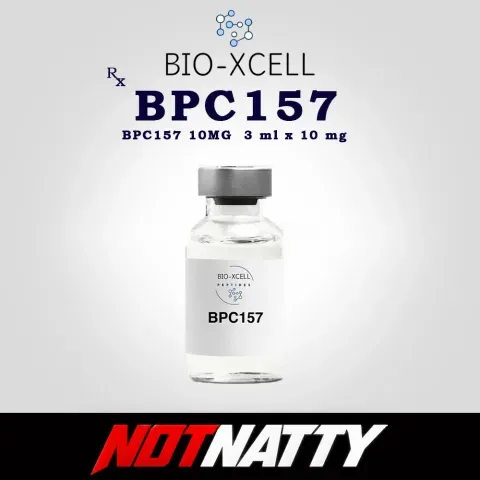
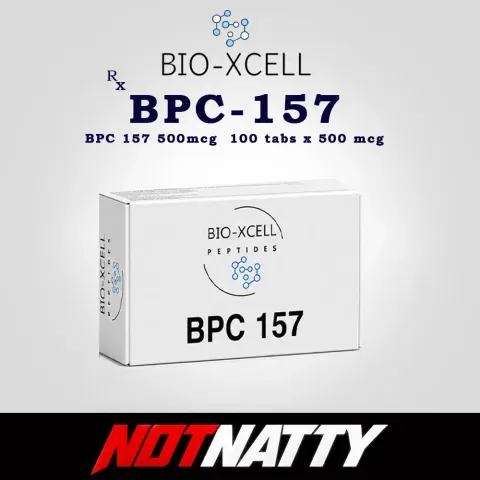
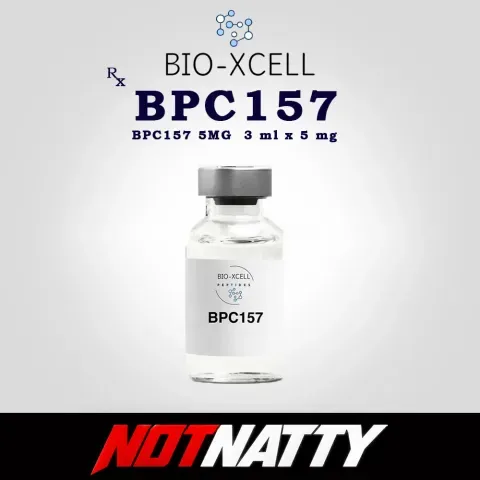
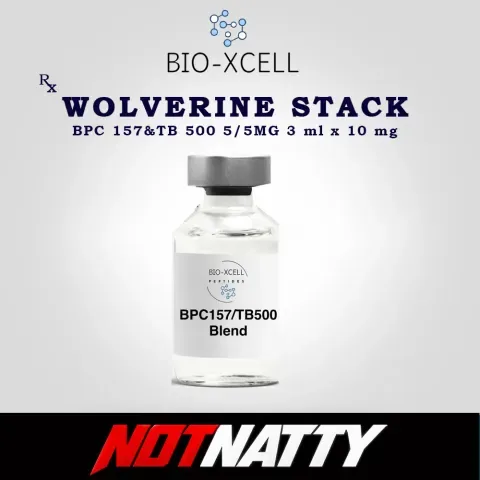
BPC-157 is a pentadecapeptide derived from a gastric-juice protein, studied for local tendon, ligament and muscle repair. Its central mechanism in the literature is angiogenesis - the formation of new blood vessels - which matters because connective tissue has a poor blood supply compared with muscle. Without vessels, repair cells cannot arrive fast enough, and that is the bottleneck BPC-157 is studied against.
TB-500 is a fragment of thymosin beta-4, a protein that regulates actin and therefore cell migration. Where BPC-157 is local, TB-500 is systemic: it is studied for widespread wear, reduced inflammation and faster movement of repair cells to damaged tissue.
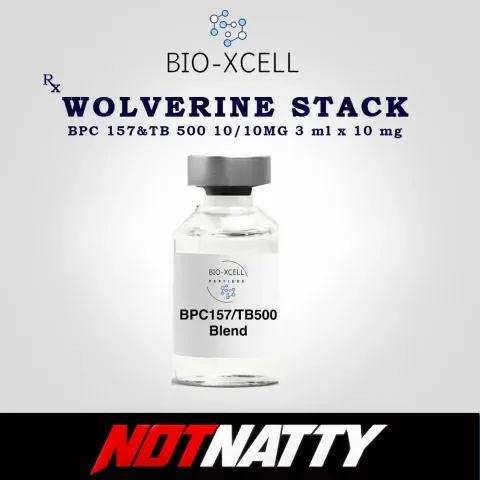
The two are complementary rather than interchangeable. Local injury points to BPC-157; generalised wear points to TB-500; the blends in this category combine both at a fixed ratio.
Gut and Inflammation: KPV and BPC-157
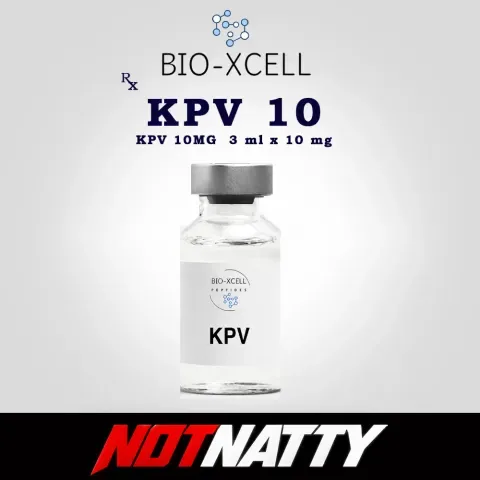
KPV is a tripeptide - lysine, proline, valine - derived from alpha-melanocyte-stimulating hormone. It is studied for its anti-inflammatory effect in the gut, where melanocortin signalling is involved in regulating mucosal inflammation.
BPC-157 is also studied orally for gastric and intestinal endpoints, because the parent protein was originally identified in gastric juice. That origin is why oral administration is discussed at all for a peptide: most peptides do not survive digestion, and this one has been specifically examined for gut effects by that route.
Skin and Collagen: GHK-Cu
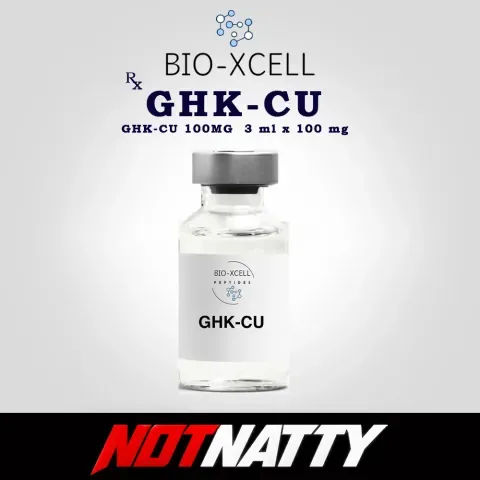
GHK-Cu is a copper-binding tripeptide studied for collagen synthesis, elastin production and extracellular matrix remodelling. The copper is functional rather than decorative: the peptide delivers it in a form that participates in enzymatic reactions, and the complex is more active than the peptide alone.
In skin research, the interest is collagen density and firmness. In hair research, the focus is follicle environment and blood supply rather than hair growth directly. The mechanistic literature is credible; the cosmetic evidence is much thinner than the marketing implies.
The Blends
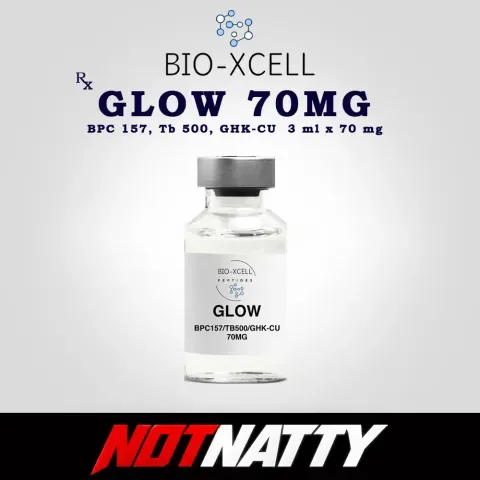
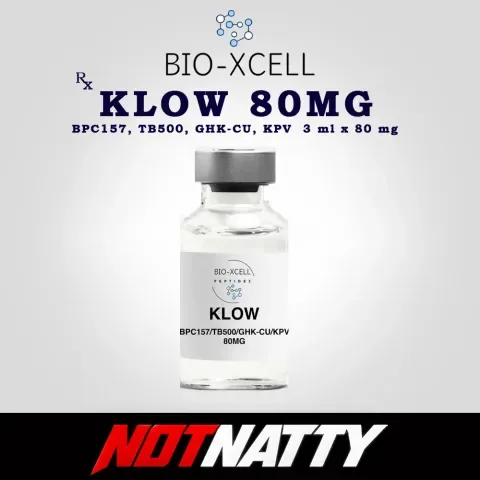
GLOW and KLOW are multi-peptide repair blends that combine several of the compounds above into a single vial. The convenience is obvious: one reconstitution, one draw, one protocol. The trade-off is the same as with any blend - the ratio is fixed, so you cannot adjust one component without adjusting all of them.
Blends suit research where a balanced mix is acceptable. They are a poor fit when the question is specifically about one peptide's dose-response.
Reconstitution and Storage
All of these ship lyophilised. Reconstitute with bacteriostatic water, running it slowly down the vial wall, then swirl gently. Do not shake, because foaming and agitation can degrade the peptide. Store the reconstituted solution at 2-8°C, protected from light, and use it within the label window.
GHK-Cu is particularly light-sensitive, so keep it in its carton. Repeated warming degrades any peptide, so take the vial out, draw and return it promptly.
What to Compare Here
Listings state the peptide, vial size and live stock. Start with the tissue: tendon and ligament, gut and inflammation, or skin and collagen. Then check the vial size against the protocol length, and open the product page for the full specification and buying details.
Buying Repair & Recovery Online
Repair and recovery peptides for skin, tendon and gut research - BPC-157, TB-500, GHK-Cu, KPV and the GLOW and KLOW blends, with vial sizes.