


Growth Hormone & Secretagogues
Growth hormone secretagogue research cross-listed for skin and hair stacks.
15 products.
About this category
Growth hormone is not a cosmetic compound, but it touches the tissues people care about cosmetically. GH and its downstream mediator IGF-1 drive collagen synthesis, support connective tissue and influence the hair follicle cycle. That is why secretagogues appear in skin and hair research stacks, and why this category cross-lists the same peptides that sit under growth-hormone and anti-aging.
Growth hormone acts directly on many tissues and indirectly through IGF-1, which is produced mainly in the liver but also locally in skin and hair follicles. Both receptors are present in dermal fibroblasts and in the follicle, which is the mechanistic basis for the interest.
The effect is not dramatic in the way a topical retinoid is. It is a slow, systemic influence on tissue quality: collagen density, skin thickness, wound healing and the proportion of follicles in the growth phase. Those endpoints are measurable, which is what makes the research legible.
The Secretagogue Options
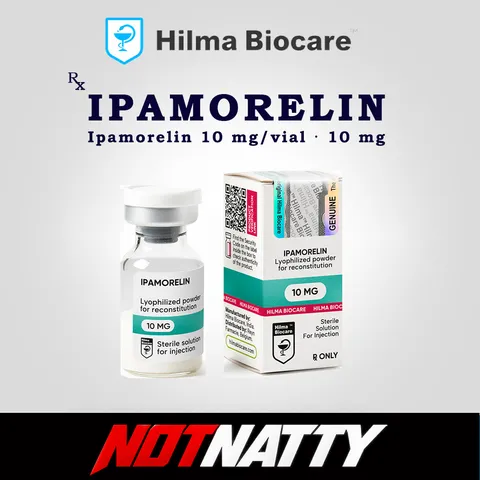
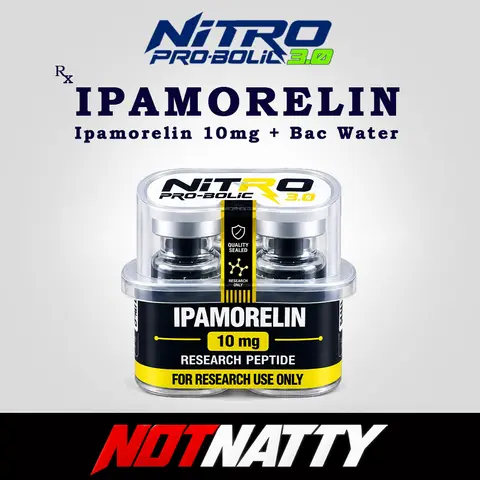
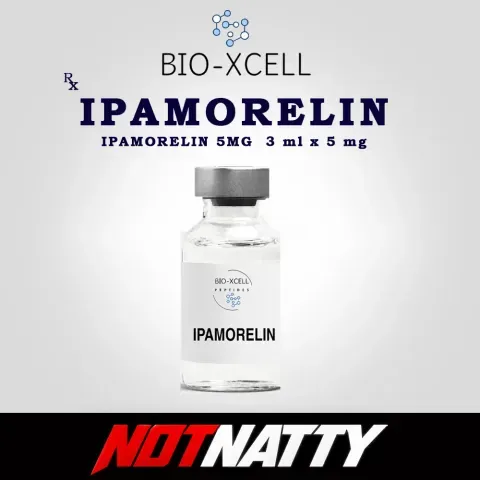
Ipamorelin is the most selective ghrelin-receptor agonist in the category. It produces a clean GH pulse with minimal effect on cortisol, prolactin and appetite, which makes it easier to interpret when those variables matter.
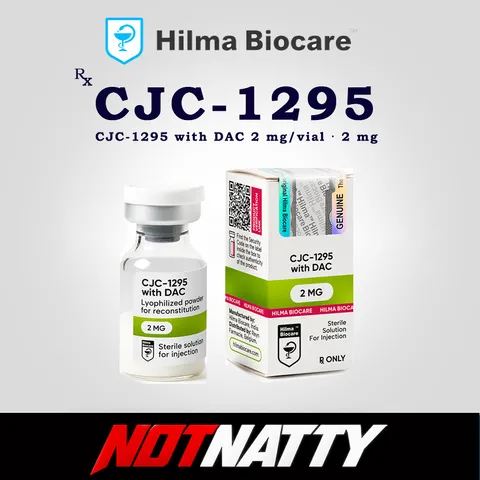
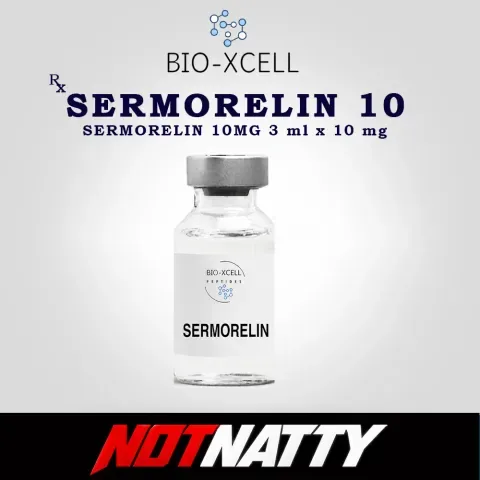
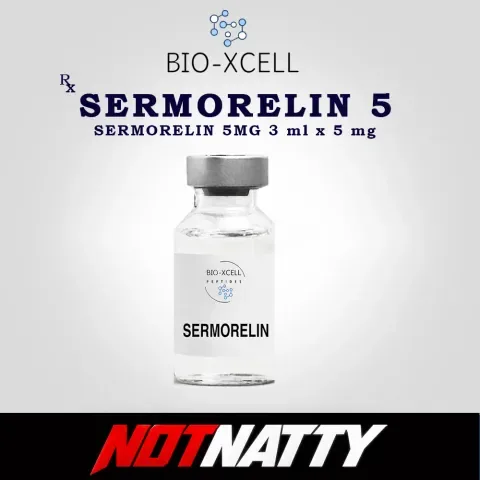
CJC-1295 is a growth-hormone-releasing hormone analogue with an extended half-life, especially in the DAC form. Sermorelin is the shorter, older GHRH analogue and is closer to the natural GHRH signal.
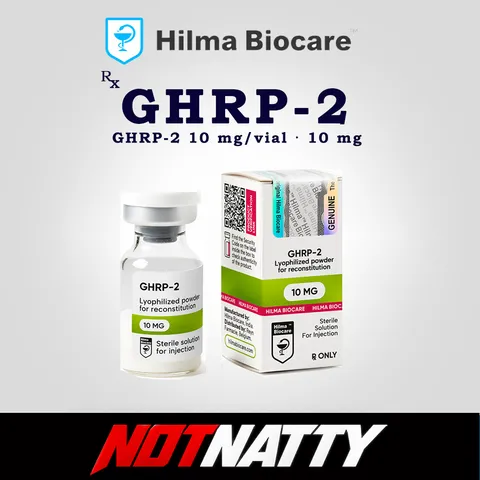
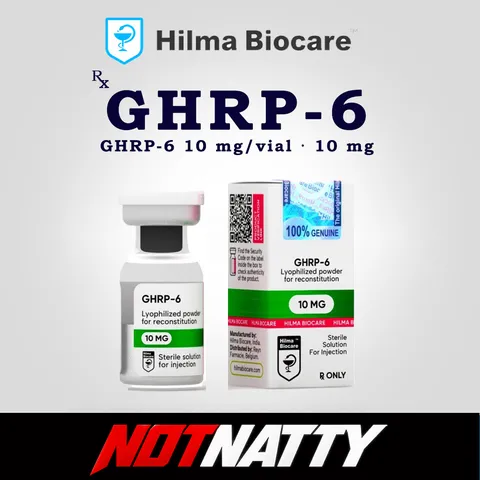
GHRP-2 and GHRP-6 are older ghrelin mimetics. GHRP-6 is notable for appetite stimulation; GHRP-2 produces a stronger GH response with some prolactin and cortisol effect. Both are blunter instruments than ipamorelin.
Somatropin and IGF-1 LR3
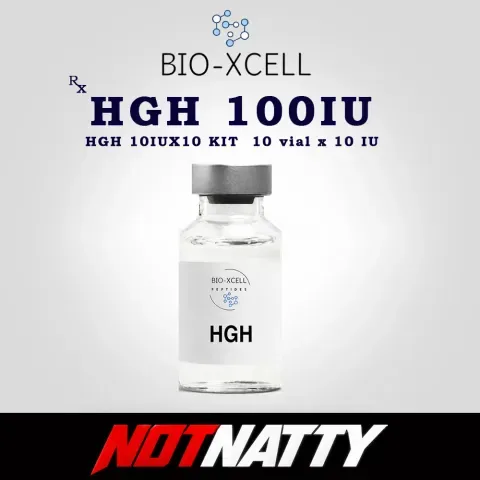
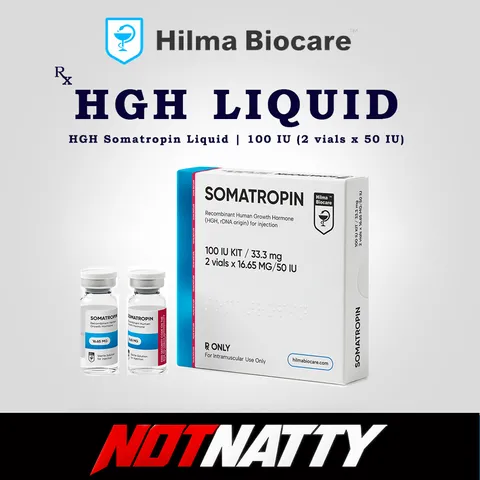
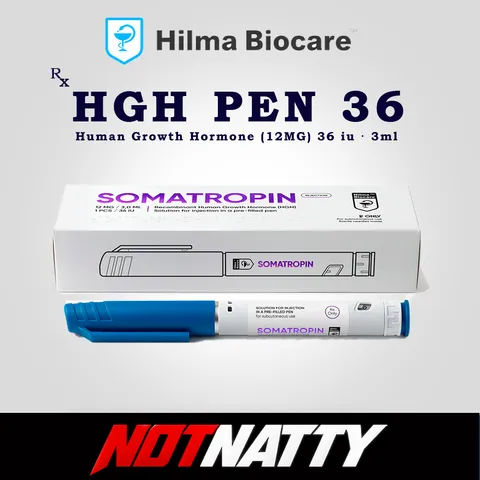
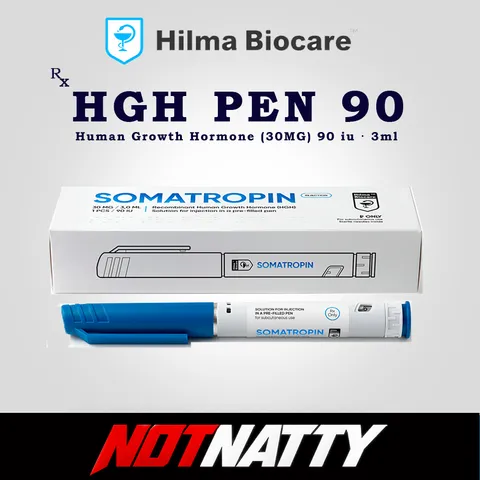
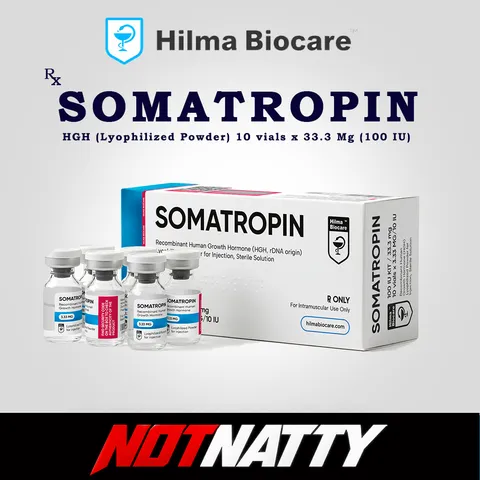
Direct somatropin supplies the hormone itself rather than prompting release, so the effect does not depend on pituitary function. It is the strongest tool in the category and the most demanding: water retention, joint aches and reduced insulin sensitivity all scale with dose.
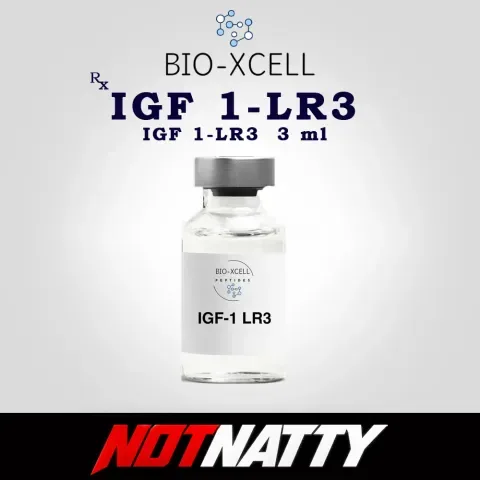
IGF-1 LR3 is a long-acting analogue of IGF-1, the mediator through which much of GH's tissue effect is expressed. It is studied for cell repair and growth, and it bypasses the pituitary entirely.
Stacking Logic
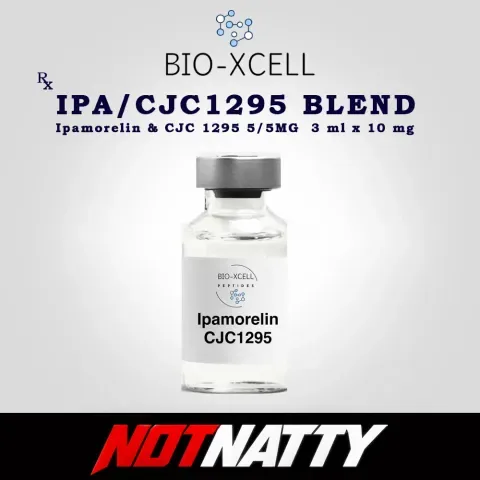
The standard combination pairs a GHRH analogue with a ghrelin mimetic - CJC-1295 with ipamorelin, or sermorelin with ipamorelin - because they act on different receptors and produce a larger pulse together than either does alone.
Adding GHK-Cu to a skin-focused stack is common because it works locally on collagen rather than systemically. It is not a secretagogue, but it targets the same endpoint through a different route, and the two are often discussed together.
What the Evidence Supports
The strongest data is for body composition, recovery and connective tissue. Skin thickness and collagen have been measured in GH research but the samples are small. Hair is the weakest endpoint of the three, and no secretagogue has been shown to regrow hair in a controlled trial.
Anyone presenting a GH peptide as a hair-loss treatment is extrapolating well past the data.
Handling and Storage
Peptides ship lyophilised and belong in the fridge at 2-8°C once reconstituted. Somatropin, whether powder or pen, requires cold storage throughout. Do not shake reconstituted solutions, and avoid repeated freeze-thaw cycles.
Listings state vial size or pen strength and live stock. This page covers the skin and hair rationale; the product page carries the full specification, dosing presentation and buying details.
Buying Growth Hormone & Secretagogues Online
Growth hormone secretagogues cross-listed for skin, hair and collagen research - ipamorelin, CJC-1295, sermorelin, GHRP-2 and GHRP-6, plus somatropin.