
 Original
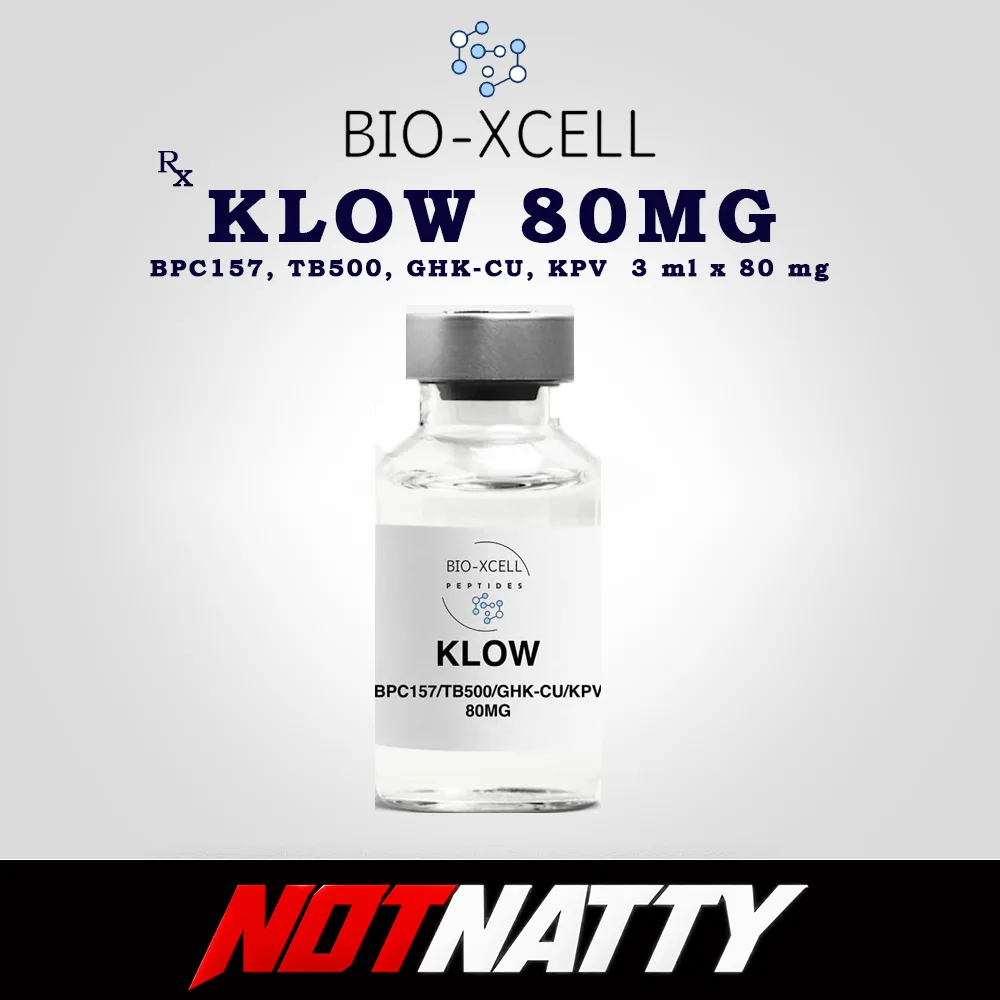
KLOW 80MG | Advanced Tissue Repair Blend
KLOW 80mg combines BPC-157, TB-500, GHK-Cu and KPV for skin, gut and connective-tissue repair research. Research-grade 3ml vial. Research use only.
Product Details
Key specs at a glance
Shipping & Logistics
Bioxcell — USA (Domestic) shipping
 Ships from
USA
Ships to
USA
USPS Priority - arrives within 1 week — $40.00 shipping (USPS Priority)
Secure Shopping
Your data is protected with the highest security standards.Want to buy Wholesale?
Get exclusive discounts on orders over $1,500 — contact us.Description
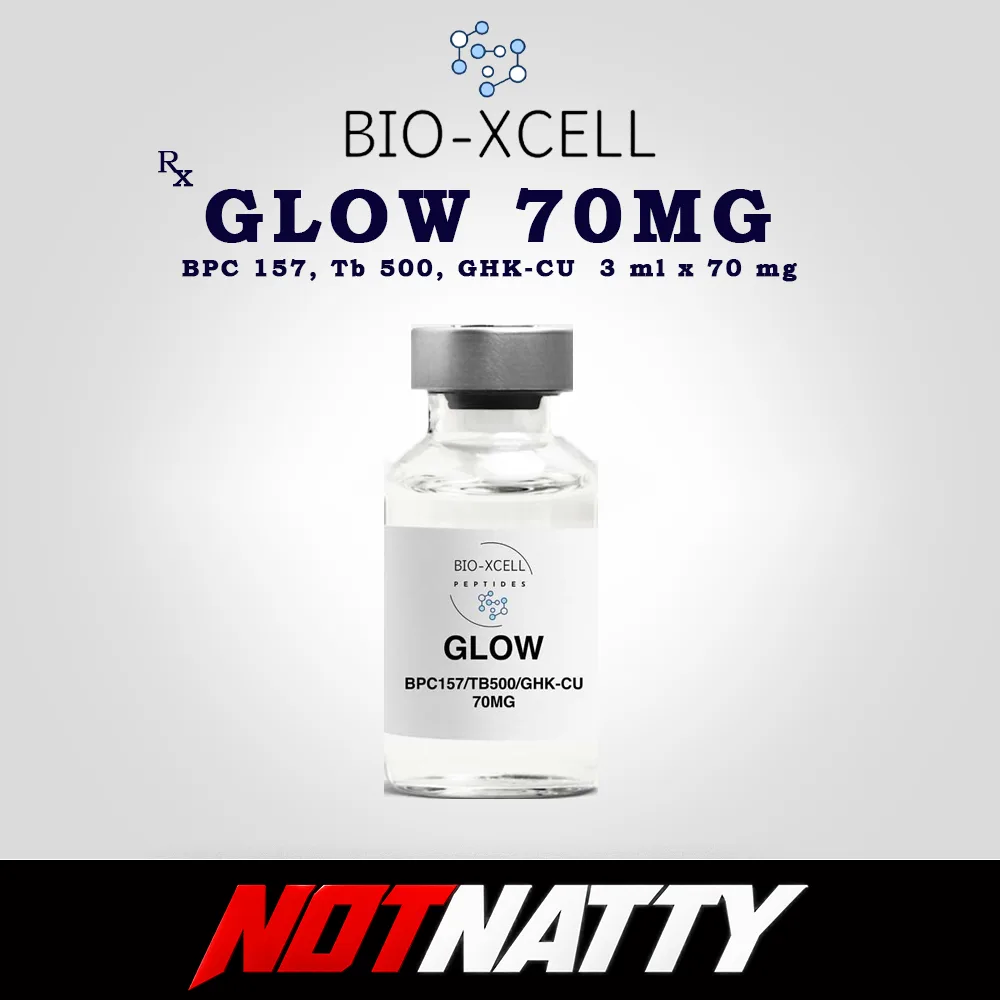
KLOW 80mg is a research-grade four-peptide repair blend studied for skin, gut and connective-tissue repair through angiogenesis, cell migration, copper signalling and anti-inflammatory activity. This 3 ml vial containing 80 mg total peptide presentation is intended for laboratory investigation of combined repair and inflammation-resolution pathways. KLOW combines BPC-157, TB-500, GHK-Cu and KPV. BPC-157 contributes VEGF/eNOS-driven angiogenesis and gut mucosal protection, TB-500 contributes actin regulation and cell migration, GHK-Cu contributes copper-dependent collagen and glycosaminoglycan synthesis, and KPV contributes melanocortin-mediated anti-inflammatory signalling.
The four are studied together because repair involves sequential angiogenesis, cell recruitment, matrix deposition and resolution of inflammation. Direct studies of the four-peptide combination are limited, so the rationale draws on the individual literature: Sikiric and colleagues on BPC-157 in gut and tendon models (Current Pharmaceutical Design, 2011), Goldstein and colleagues on thymosin beta-4 in wound repair (Trends in Molecular Medicine, 2005), Pickart on GHK-Cu and collagen synthesis (Journal of Biomaterials Science, Polymer Edition, 2008), and Catania and colleagues on KPV and melanocortin anti-inflammatory activity (TheScientificWorldJournal, 2010).
Researchers should include single-agent controls when testing the blend. The blend is used to model dermal remodelling, wound closure, gut-barrier repair, scar formation and post-injury recovery. It is also a tool for asking whether combining repair and anti-inflammatory peptides changes the rate or quality of healing. An 80 mg vial typically contains 10 mg BPC-157, 10 mg TB-500, 50 mg GHK-Cu and 10 mg KPV, so GHK-Cu dominates by mass. Reconstitute gently because GHK-Cu foams and TB-500 is shear-sensitive, and verify each component independently.
The vial should remain frozen and protected from light until reconstitution. Use bacteriostatic water or the buffer recommended for the assay, add the diluent slowly against the vial wall, and let the powder dissolve without vigorous agitation. Aliquot immediately to avoid repeated freeze-thaw. Key questions concern the optimal ratio of the four peptides, whether KPV anti-inflammatory action interferes with the early inflammatory phase needed for repair, and how the blend compares with sequential single-agent treatment.
Supplied exclusively for controlled laboratory research. It is not intended for human consumption, clinical use or therapeutic application.
Tags: Peptide blend, Repair & Recovery, Bioxcell
Customers Also Bought
People Also Bought
Customer Reviews
No reviews yet
Be the first to rate this product and help the community.
Only signed-in members can leave reviews.
Sign In to Review