
 Original
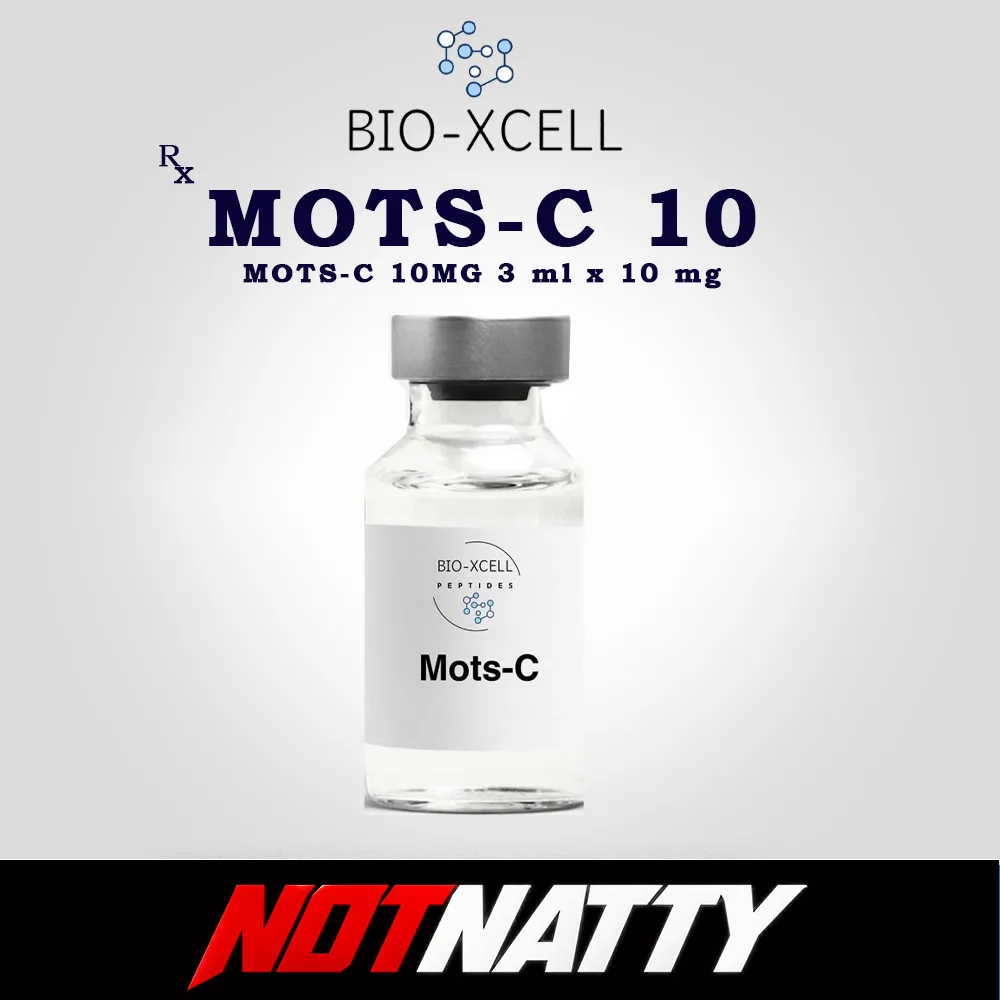
MOTS-C 10MG | Insulin Sensitivity & Fat Burning
MOTS-C 10mg is a mitochondrial-derived peptide studied for AMPK activation, insulin sensitivity and exercise adaptation. Research-grade 3ml vial.
Product Details
Key specs at a glance
Shipping & Logistics
Bioxcell — USA (Domestic) shipping
 Ships from
USA
Ships to
USA
USPS Priority - arrives within 1 week — $40.00 shipping (USPS Priority)
Secure Shopping
Your data is protected with the highest security standards.Want to buy Wholesale?
Get exclusive discounts on orders over $1,500 — contact us.Description
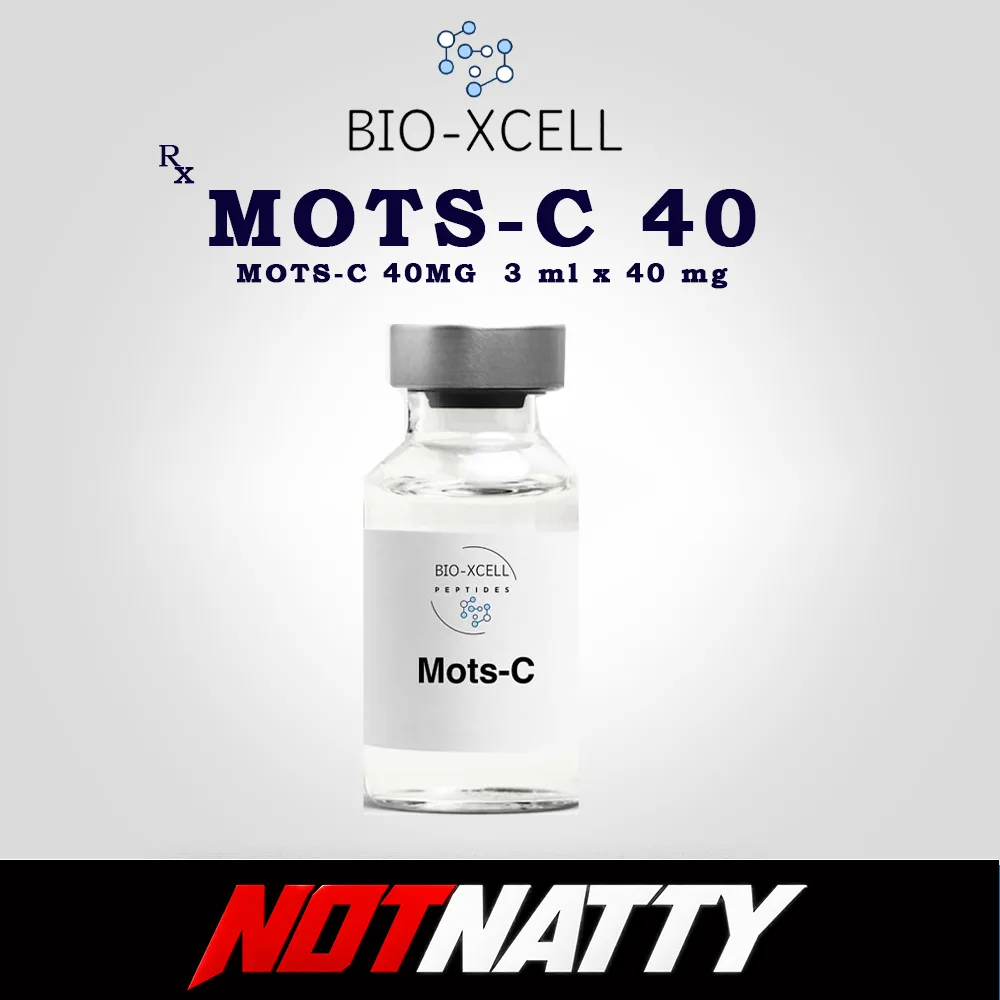
MOTS-C 10mg is a research-grade mitochondrial-derived peptide studied for AMPK activation, insulin sensitivity, exercise adaptation and metabolic homeostasis. This 3 ml vial containing 10 mg presentation is intended for laboratory investigation of mitochondrial-to-nuclear metabolic signalling. MOTS-C is a 16-amino-acid peptide encoded by the mitochondrial 12S rRNA gene. It translocates to the nucleus under metabolic stress and regulates gene expression, while also activating AMPK and inhibiting the folate-cycle enzyme MTHFD2. The result is increased glucose uptake, fatty-acid oxidation and stress resistance, which is why it is described as an exercise-mimetic mitochondrial signal.
Lee and colleagues (Cell Metabolism, 2015) showed that MOTS-C treatment reduced diet-induced obesity and insulin resistance in mice and activated AMPK in skeletal muscle. Subsequent work reported that MOTS-C levels change with exercise and that the peptide can improve metabolic flexibility in aged or high-fat-fed animals. Researchers use MOTS-C to model mitochondrial stress signalling, insulin sensitivity, exercise adaptation and ageing-related metabolic decline. It is also studied alongside NAD+ and SLU-PP-332 as a comparator for mitochondrial-targeted interventions.
The 10 mg vial suits cell-culture and short rodent protocols, where MOTS-C is often administered daily or every other day. Because the peptide is rapidly cleared, studies should measure AMPK phosphorylation and glucose uptake at early time points rather than relying on terminal body weight alone. Handle the powder at -20C, protected from moisture and light. Reconstitute with bacteriostatic water or a suitable buffer, filter if the protocol requires sterility, and store working aliquots at 2-8C for short-term use. Document the diluent, concentration and preparation date.
Questions include the identity of the cell-surface receptor or uptake mechanism, the extent to which nuclear translocation explains its effects, and whether chronic administration produces adaptive resistance. Supplied exclusively for controlled laboratory research. It is not intended for human consumption, clinical use or therapeutic application.
Tags: Peptide, Longevity & Mitochondrial Research, Bioxcell
Customers Also Bought
People Also Bought

Customer Reviews
No reviews yet
Be the first to rate this product and help the community.
Only signed-in members can leave reviews.
Sign In to Review