
 Original
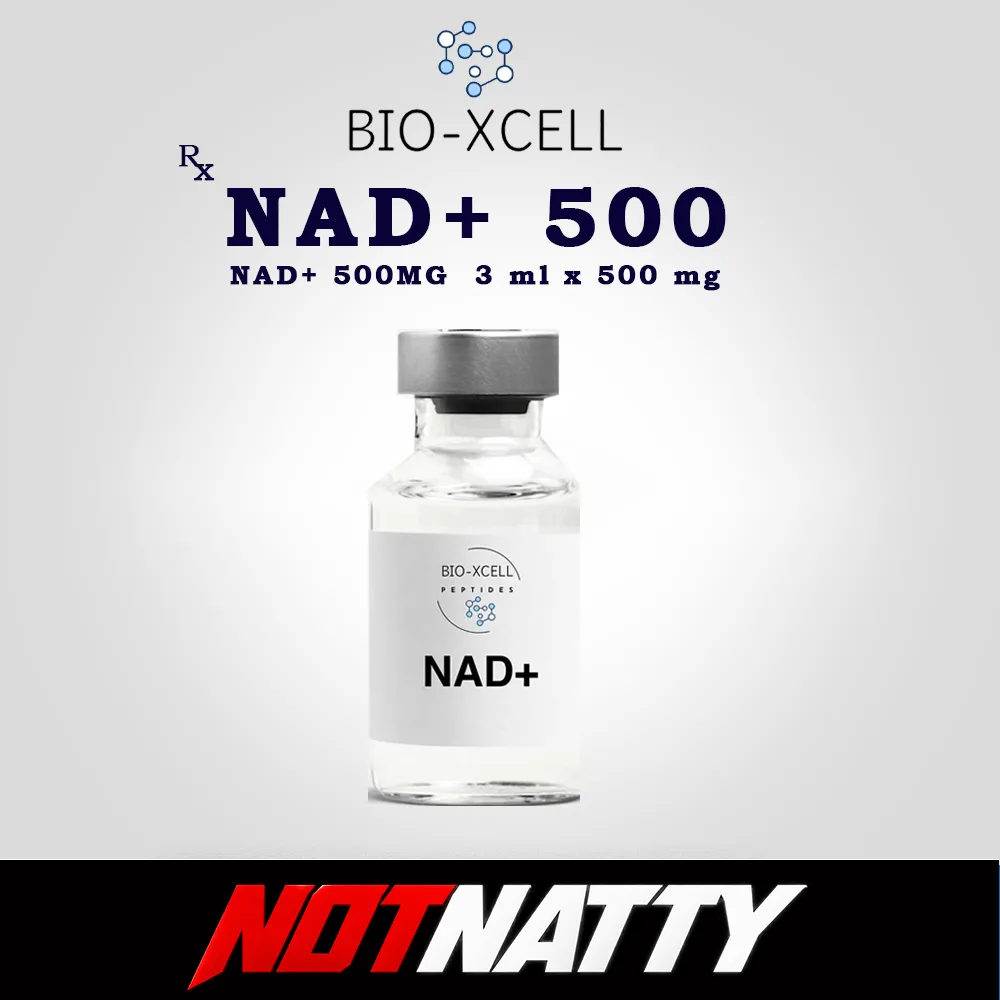
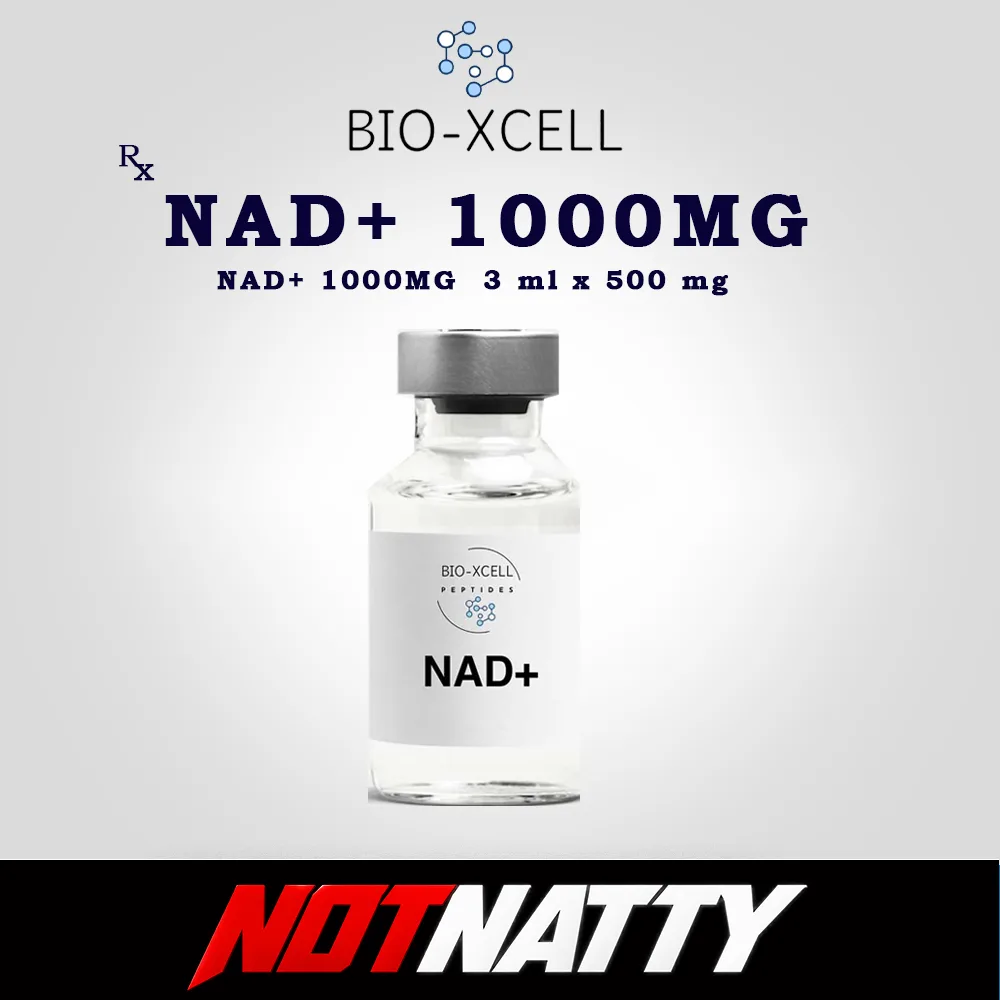
NAD+ 500MG | Cellular Energy & DNA Repair
NAD+ 500mg is a nicotinamide adenine dinucleotide coenzyme studied for redox balance, sirtuin activity and DNA repair. Research-grade 3ml vial.
Product Details
Key specs at a glance
Shipping & Logistics
Bioxcell — USA (Domestic) shipping
 Ships from
USA
Ships to
USA
USPS Priority - arrives within 1 week — $40.00 shipping (USPS Priority)
Secure Shopping
Your data is protected with the highest security standards.Want to buy Wholesale?
Get exclusive discounts on orders over $1,500 — contact us.Description
NAD+ 500mg is a research-grade nicotinamide adenine dinucleotide coenzyme studied for cellular redox, sirtuin activity, DNA repair and mitochondrial energy metabolism. This 3 ml vial containing 500 mg presentation is intended for laboratory investigation of NAD+ repletion and redox-dependent signalling. NAD+ is a coenzyme central to redox reactions, carrying electrons in glycolysis, the TCA cycle and oxidative phosphorylation. Beyond energy metabolism, it is the substrate for sirtuins, PARP enzymes and CD38, which consume NAD+ and link its availability to DNA repair, inflammatory signalling and circadian control.
Declining NAD+ levels with age are studied as a contributor to mitochondrial dysfunction and cellular senescence. Verdin (Science, 2015) reviewed NAD+ as a metabolic and signalling hub linking energy status to ageing and neurodegeneration. Earlier work by Belenky and colleagues (Trends in Biochemical Sciences, 2007) mapped the salvage, de novo and recycling pathways that determine intracellular NAD+ availability. Researchers use NAD+ to model redox balance, sirtuin activation, PARP-dependent DNA repair and mitochondrial function. It is also a comparator for precursors such as NMN and NR, and for compounds that inhibit NAD+ consumption.
The 500 mg vial is suited to cell-culture supplementation and short rodent protocols. Because NAD+ is charged and poorly membrane-permeable, studies should distinguish extracellular effects from intracellular repletion and should measure NAD+ metabolites rather than assuming uptake. The vial should remain frozen and protected from light until reconstitution. Use bacteriostatic water or the buffer recommended for the assay, add the diluent slowly against the vial wall, and let the powder dissolve without vigorous agitation. Aliquot immediately to avoid repeated freeze-thaw.
Questions include the extent to which exogenous NAD+ enters cells intact, the relative importance of salvage versus de novo synthesis, and whether raising NAD+ produces benefit or instead fuels inflammatory CD38 activity. Sold for laboratory research only. Not for human or veterinary use, and not for diagnostic or therapeutic applications.
Tags: Coenzyme, Longevity & Mitochondrial Research, Bioxcell
Customers Also Bought
People Also Bought

Customer Reviews
No reviews yet
Be the first to rate this product and help the community.
Only signed-in members can leave reviews.
Sign In to Review